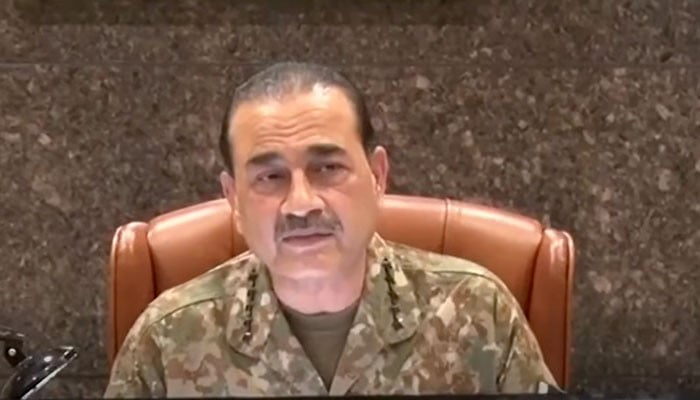
Top Brass Issues Stern Warning at Corps Commanders Conference
Pakistan’s senior military commanders have issued a strong condemnation of recent attacks targeting Saudi Arabia’s critical petrochemical and industrial infrastructure. In a statement released by the Inter-Services Public Relations (ISPR), the army’s top brass labeled the assaults an “unnecessary escalation” that directly threatens to undermine fragile diplomatic processes aimed at resolving the broader Middle East conflict.
Riyadh’s Restraint Praised as Key to Diplomacy
The statement, issued following the 274th Corps Commander Conference chaired by Chief of Army Staff General Asim Munir, notably praised Saudi Arabia’s “restraint and calibration” in its response. The military leadership emphasized that this measured approach by Riyadh is what currently enables continued mediation and creates space for a potential diplomatic resolution to the ongoing regional tensions.
The high-level conference, held at the General Headquarters in Rawalpindi, focused significantly on regional security. The commanders expressed grave concern that such aggressive actions risk destabilizing the entire peace process and could lead to a wider conflagration.
Context of Rising Regional Tensions
While the ISPR statement did not explicitly name the perpetrators of the attacks, the condemnation comes amid a period of heightened volatility in the Gulf region. Attacks on energy and industrial facilities have previously been linked to regional proxy conflicts, posing a direct threat to global energy security and economic stability.
The Pakistani military’s public stance underscores its view of the attacks as a significant threat to international peace efforts. By highlighting the risk to the “Mideast peace process,” the statement aligns Pakistan with calls for de-escalation and reinforces the importance of protecting Saudi sovereignty and critical infrastructure.
The development marks a clear diplomatic and security posture from Islamabad, affirming its commitment to regional stability and the security of the Kingdom of Saudi Arabia, a key ally.