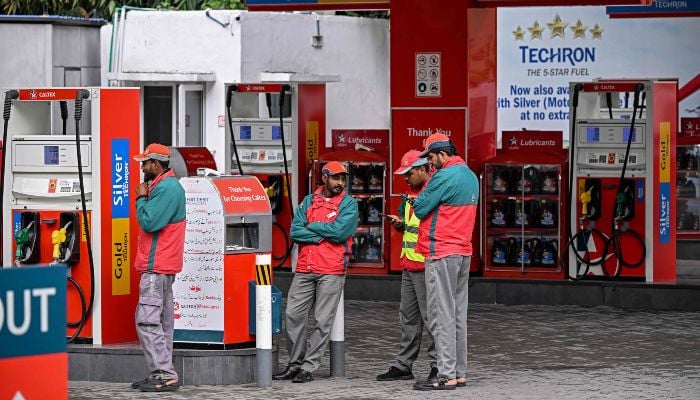
In response to a severe global energy crisis exacerbated by the ongoing US-Israel war on Iran, Pakistan has enacted a sweeping series of emergency austerity measures and targeted subsidies. The federal government and all four provinces have announced plans aimed at conserving fuel, reducing government expenditure, and providing direct financial relief to vulnerable segments of society, including farmers, transporters, and the general public.
Federal Government’s Cost-Cutting Drive
The central government has taken a lead with stringent cuts to official operations. Key measures include mandating 50% of staff to work from home, instituting a four-day work week for most sectors, and implementing a complete ban on official dinners. Significant financial sacrifices are being made at the top, with the federal cabinet forgoing salaries for two months and Members of Parliament taking a 25% pay cut. To provide immediate relief at the pump, the petrol levy has been reduced by PKR 80 per litre for one month.
Provincial Relief and Rationing Measures
Provinces have rolled out a mix of subsidies and energy conservation rules tailored to local needs.
Punjab & Sindh: Focus on Transport and Agriculture
Punjab has made all public transport free, including the Orange Line Train and Metro Bus services, and is offering direct fuel subsidies to farmers and motorcyclists. Similarly, Sindh has announced a Rs. 2,000 subsidy for registered motorcyclists and substantial monthly financial assistance for transporters, with intra-city buses eligible for up to PKR 1.2 million.
Khyber Pakhtunkhwa & Balochistan: Enforcing Early Closures
KP and Balochistan are focusing on reducing commercial energy use through enforced early closures. Markets and shopping centers must close by 8pm or 9pm, with restaurants and wedding halls required to end events by 10pm. Both provinces have also imposed bans on non-essential lighting and commercial generator use.
Broader Economic Impact and Exemptions
The austerity drive includes a 20% cut in non-salary government expenditure and a ban on purchasing new vehicles and equipment. Critical services are exempt; ambulances and public buses are shielded from fuel quota cuts, and hospitals remain operational without restrictions. Pakistan Railways has also committed to absorbing costs to prevent fare increases for passengers and freight.
These coordinated actions represent a significant governmental effort to stabilize the domestic economy and shield citizens from the worst effects of the international energy price shock.