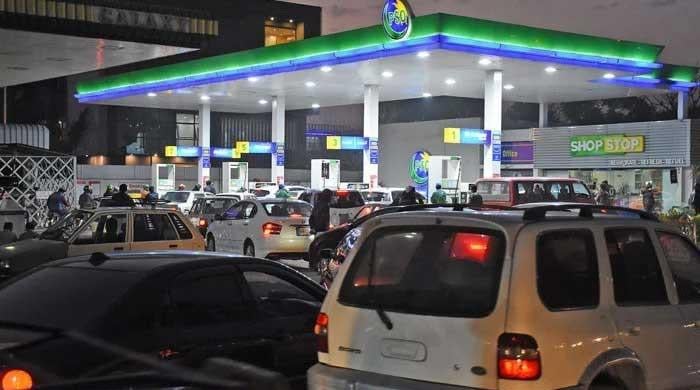
The federal government announced a significant increase of Rs55 per litre in the prices of petrol and diesel, effective immediately, citing soaring global oil prices driven by the escalating US-Israel conflict with Iran.
New Prices and Weekly Review Mechanism
Following the review, the new price of petrol has been set at Rs321.17 per litre, up from Rs266.17. Similarly, the price of high-speed diesel has risen to Rs335.86 per litre from Rs280.86. In a shift from the previous fortnightly schedule, Petroleum Minister Ali Pervaiz Malik stated that fuel prices will now be reviewed on a weekly basis to respond rapidly to international market volatility.
Government Cites Extraordinary Global Circumstances
Announcing the decision alongside Deputy Prime Minister Ishaq Dar and Finance Minister Muhammad Aurangzeb, Minister Malik described the move as a “difficult decision” taken due to “extraordinary circumstances.” He attributed the hike to a manifold increase in global petroleum prices, exacerbated by regional tensions that threaten key energy shipping routes like the Strait of Hormuz.
The government also adjusted the Petroleum Development Levy (PDL), increasing it on petrol to Rs105 per litre from Rs84.40, while reducing it on diesel to Rs55 from Rs76.21.
Supply Assurance and Anti-Hoarding Measures
Minister Malik reassured the public that the government has been safeguarding petroleum reserves to ensure an uninterrupted supply across the country. He issued a stern warning against hoarding, stating that strict action would be taken against those attempting to create artificial shortages for illegal profits.
To mitigate supply chain disruptions, Pakistan has sought an alternative oil supply route through Saudi Arabia’s Red Sea port of Yanbu, following Iran’s closure of the Strait of Hormuz. Saudi authorities have reportedly assured Pakistan of their cooperation in facilitating shipments.
Economic Impact and Government Strategy
Finance Minister Aurangzeb stated that the government is assessing the potential impact of the price increases on Pakistan’s imports and exports. He urged citizens not to panic, emphasizing that the country currently holds sufficient fuel reserves.
Deputy PM Dar noted that Prime Minister Shehbaz Sharif is deeply concerned about the situation and has chaired high-level meetings to formulate a balanced response. Dar added that Pakistan is engaging with foreign counterparts in diplomatic efforts to help reduce regional tensions.
Business Community Voices Strong Opposition
The Pakistan Business Forum (PBF) has strongly urged the government to reconsider the price hike, warning it could severely cripple economic activity. PBF President Khawaja Mehboobur Rehman criticized the increase, noting that fuel prices have surged by up to Rs63 within a week despite the country having over 18 days of petroleum stocks.
The forum demanded an immediate 50% reduction in the petroleum levy, arguing that the government should absorb more of the burden during this crisis instead of passing it fully to consumers and businesses.
Broader Regional Context
The price adjustment comes as the Middle East conflict sends shockwaves through global energy markets, affecting shipping, stock exchanges, and inflation outlooks worldwide. The situation remains fluid, with the government committing to weekly reviews and promising price reductions as soon as international market conditions allow.