Mediator Stresses Confidentiality and Continued Dialogue
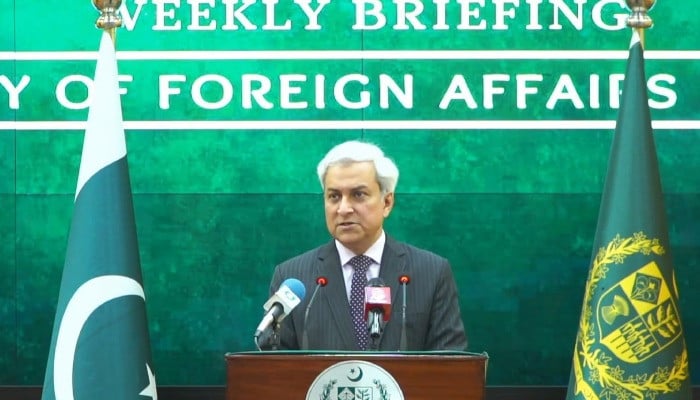
Pakistan has issued a firm call to media outlets to avoid speculation regarding the timing of a potential second round of direct negotiations between the United States and Iran. The appeal came during a weekly press briefing in Islamabad, where Foreign Office spokesperson Tahir Hussain Andarabi stated that no official schedule for follow-up talks had been announced.
Andarabi declined to share specifics of diplomatic engagements, emphasizing the necessity of trust and confidentiality in the sensitive mediation process. “If we had shared such information, it would have been a breach of trust,” he told reporters. He underscored that the critical factor was the continued willingness of both nations to engage. “The important thing is that both sides are willing to engage and dialogue continues,” he added, noting that details on delegation composition were secondary internal matters.
Historic First Round: “Neither Breakthrough Nor Breakdown”
The spokesperson characterized the inaugural high-level talks, held in Islamabad last week, as proceeding in a “serious and constructive” manner. He described the outcome as neither a “breakthrough nor a breakdown,” highlighting the complex nature of the discussions.
The trilateral ‘Islamabad Talks,’ which lasted nearly 21 continuous hours, marked the most senior direct engagement between US and Iranian officials in decades. The delegations were led by US Vice President JD Vance and Iranian Parliamentary Speaker Mohammad Baqer Qalibaf. Key agenda items included the strategic Strait of Hormuz, Iran’s nuclear program, and international sanctions.
“Such prolonged engagement on complex issues reflected extraordinary commitment by both sides,” Andarabi stated, praising the “seriousness, resolve and positive attitude” of the participants. He confirmed that nuclear issues remained a central topic.
Regional Context: Lebanon Ceasefire Integral to Peace Process
Andarabi also addressed the escalating conflict in Lebanon, strongly condemning Israeli attacks and calling for an immediate end to hostilities. He positioned the Lebanon ceasefire as an integral component of the broader regional negotiations.
“Signs of improvement on the Israel-Lebanon front over the past two days are encouraging,” he said, adding that de-escalation would help create a conducive environment for dialogue. “Peace in Lebanon and an end to armed actions are essential.”
The conflict, which began with US-Israeli strikes on Iran in late February and expanded with Hezbollah’s involvement, has resulted in significant casualties and displacement according to Lebanese authorities. Iran insists that any comprehensive agreement must address the situation in Lebanon, a point Washington has previously resisted linking directly to the US-Iran talks.
Pakistan’s Ongoing Mediation and Diplomatic Outreach
Reiterating Pakistan’s role as a neutral facilitator, Andarabi said Islamabad would keep communication channels between Tehran and Washington open. “All diplomatic efforts, including the Islamabad talks, are part of a continuous process,” he noted.
He detailed Pakistan’s extensive diplomatic outreach, including maintaining contact with global partners, active participation in the Shanghai Cooperation Organisation’s counter-terrorism body, and hosting regional meetings. He also confirmed that Pakistan’s Chief of Defence Forces, Field Marshal Asim Munir, was currently in Iran as part of ongoing engagements.
These developments follow international praise for Pakistan’s pivotal role in bringing the historic talks to the table, an effort Prime Minister Shehbaz Sharif has stated will continue despite the inconclusive first round.