Congressional Debate Amid Energy Market Turmoil
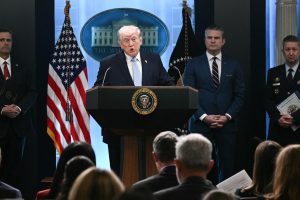
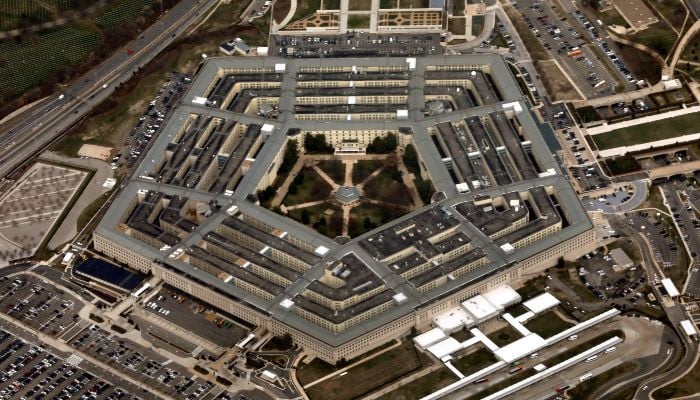
The Pentagon’s request for an additional $200 billion to fund the ongoing war with Iran faced significant resistance in Congress on Thursday. Lawmakers from both parties questioned the necessity of fresh appropriations following last year’s substantial defense budget, even as Iranian attacks on critical energy infrastructure sent shockwaves through global markets.
Gulf Energy Infrastructure Under Fire
Iranian missile and drone strikes targeted the world’s largest liquefied natural gas (LNG) plant in Qatar and refineries in Saudi Arabia and Kuwait. The nighttime attack on Qatar’s Ras Laffan complex caused “extensive damage,” according to QatarEnergy, knocking out approximately 17% of the country’s LNG export capacity and threatening supplies to Europe and Asia.
The assaults triggered immediate market reactions:
- Brent crude oil surged 10% to $119 per barrel before settling at $112
- European natural gas prices jumped 35%
- Qatar estimates $20 billion in lost annual revenue from damaged facilities
Expanding Regional Conflict
Attacks spread across the region with drones striking Saudi Arabia’s Samref refinery in Yanbu and Kuwait’s Mina Abdullah and Mina Al-Ahmadi refineries, which have a combined capacity of 800,000 barrels per day. Even Israel reported an oil refinery hit in Haifa port following missile warnings.
Saudi Foreign Minister Prince Faisal bin Farhan stated the kingdom “reserved the right to take military actions” in response, while Qatari Prime Minister Sheikh Mohammed bin Abdulrahman Al Thani called the attacks “clear proof” Iran was expanding beyond its vow to target only US interests.
US-Israel Coordination Questions
President Donald Trump indicated he hadn’t known in advance about Israel’s raid on Iran’s South Pars gas field, which supplies 70% of Iran’s domestic needs. “We get along great. It’s coordinated, but on occasion, he’ll do something” the US opposes, Trump said of Israeli Prime Minister Benjamin Netanyahu.
The conflict has exposed tactical differences between allies, with commentators noting the campaign lacks “strategic clarity, long-term planning, and a defined end state.”
International Response and Economic Fallout
Major economies expressed growing concern about the conflict’s economic impact. Six nations including Britain, France, Germany, and Japan announced readiness to “contribute to appropriate efforts to ensure safe passage through the Strait of Hormuz.”
The International Monetary Fund warned that sustained high energy prices could increase global inflation by up to two percentage points and reduce output by one percentage point. The World Trade Organization projected merchandise trade growth could slow to 1.4% this year from 4.6% in 2025 if energy prices remain elevated.
Military Developments and Diplomatic Efforts
A US F-35 fighter jet made an emergency landing at a Middle Eastern base after being struck by what is believed to be Iranian fire—the first reported hit on a US aircraft in the conflict. Meanwhile, the US approved $16.46 billion in emergency military sales to the UAE and Kuwait, bypassing Congressional review.
UN Secretary-General Antonio Guterres called for an immediate end to hostilities, warning the war risks spiraling “completely out of control.” Multiple countries including China, India, and Turkey renewed calls for ceasefire and condemned attacks on energy infrastructure.
Iran’s Defiant Stance
Iran responded to threats with defiance, with Foreign Minister Abbas Araghchi warning of “ZERO restraint” if Iranian infrastructure is hit again. The military’s Khatam Al-Anbiya command vowed “complete destruction” of Gulf energy infrastructure if attacks on Iran continue.
As the conflict enters its fourth week with no clear end in sight, the economic and geopolitical consequences continue to escalate, testing international diplomacy and threatening global energy security.