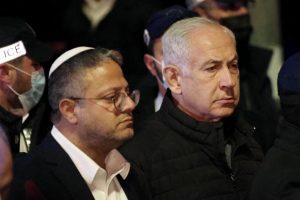
Israeli Prime Minister Benjamin Netanyahu finds himself once again grappling with the realization that efforts to eradicate the Islamic movement Hamas have not succeeded, forcing him to consider negotiations. The objective of ending Hamas politically and militarily in the current conflict seems elusive, despite Israeli claims of nearly 20,000 Hamas fighters being killed. Israeli authorities have reported that many Hamas fighters have been killed during the conflict, but no figures on new recruits have been provided. Netanyahu insists on the necessity of completely neutralizing Hamas, while also facing increasing pressure to maintain the current ceasefire.
On the other hand, the future of a potential government in Gaza under a plan presented by U.S. President Donald Trump and Netanyahu remains uncertain. Hamas claims the plan has only added “fuel to the fire.” Trump announced in a press conference his intention to remove 1.8 million residents in Gaza and put the area under American control, but no details on the practical aspects of the plan were given. Palestinian doctor and politician Mustafa Barghouti commented on the situation, highlighting the contradiction in Netanyahu’s attempts to eliminate Hamas while needing to engage in dialogue with them. Barghouti emphasized the need for Palestinian unity through elections, which have not taken place in the past two decades. He also criticized the inaction of Palestinian Authority President Mahmoud Abbas.
Meanwhile, analyst Hezam Amira Fernandez from Doha stated that “completely eliminating Hamas is not possible,” while the Israeli government has done little to offer alternatives for the current administration in Gaza post-conflict. Despite heavy human casualties in the recent war, Israel’s government seems oblivious to the fact that its actions could exacerbate internal issues. Analysts suggest that internal conflicts and failed policies of the current Israeli government are leading the conflict towards a new crisis.