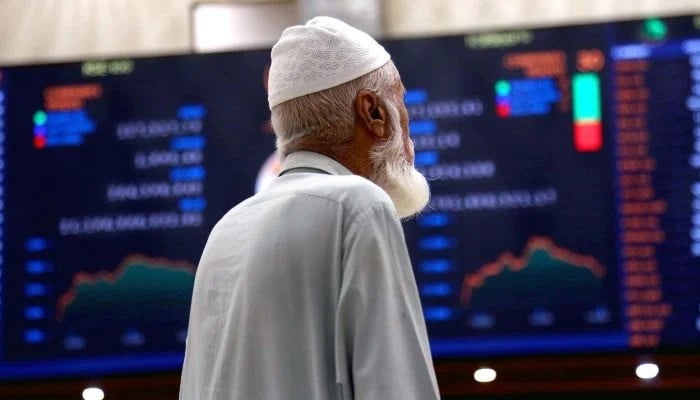
Stocks staged a powerful rally on Monday, with the benchmark index gaining significant ground as global crude oil prices plunged to two-week lows amid growing optimism over a potential peace deal between the United States and Iran. The positive momentum was further bolstered by encouraging developments on the International Monetary Fund (IMF) front and progress regarding a simplified fixed tax regime for retailers.
The Pakistan Stock Exchange’s (PSX) benchmark KSE-100 Index experienced a volatile but ultimately bullish session. The index touched an intraday high of 171,519.26, marking a staggering gain of 3,675.02 points, or 2.2%. The day’s low was recorded at 170,377.63, still a robust increase of 2,533.39 points or 1.51%, from the previous closing of 167,844.24.
Peace Optimism and Economic Triggers
Market analysts attributed the sharp uptick directly to the easing of geopolitical tensions. “The market is looking to track back to previous levels due to declining oil prices and the potential end to the hostilities in the Middle,” said Ahfaz Mustafa, CEO of Ismail Iqbal Securities.
He added that investor sentiment was cautiously optimistic ahead of the upcoming fiscal budget. “The reaction would have been even more pronounced if investors were not cautious about budget. The FY26/27 budget will be the new catalyst in the market once the oil prices stabilise.”
On the economic front, a brokerage house noted that the IMF Executive Board had described Pakistan’s overall performance in implementing programme conditions as “exceptional.” The board reportedly dismissed external propaganda regarding the use of loan proceeds, citing officials privy to discussions held two weeks ago. This strong endorsement provided an additional layer of confidence to the market.
Furthermore, the government and the retail sector are moving toward a consensus on a proposed simplified fixed tax scheme. The scheme, expected to be incorporated into the upcoming Finance Bill 2026-27, targets retailers with a turnover of up to Rs200 million, signaling a potential resolution to a long-standing fiscal friction point.
Oil Markets React to Diplomatic Signals
The energy market saw a dramatic sell-off as diplomatic signals intensified. Brent crude futures fell $5.85, or 5.7%, to $97.69 a barrel, while US West Texas Intermediate stood at $90.85 a barrel, down $5.75, or 6%. Both contracts had earlier touched their lowest levels since May 7.
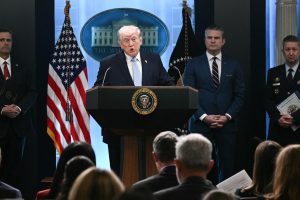
The catalyst was a statement from US President Donald Trump on Saturday, indicating that Washington and Tehran had “largely negotiated” an understanding on a peace deal that would reopen the Strait of Hormuz. The strait is a critical chokepoint that previously carried a fifth of global oil and liquefied natural gas shipments before the conflict disrupted flows.
Despite the optimism, hurdles remain. President Trump later cautioned his negotiators “not to rush into a deal,” emphasizing that time was on their side. Iran’s Tasnim news agency reported that key clauses of a possible agreement remain unresolved. Primary sticking points include Tehran’s willingness to hand over its stockpile of highly enriched uranium, the release of frozen Iranian assets, and the inclusion of Lebanon in any peace framework.
Regional Markets Mirror the Rally
The wave of optimism swept across Asian markets. Tokyo soared more than 3%, while Shanghai inched higher. Markets in Taipei, Manila, Bangkok, Jakarta, Singapore, Sydney, and Wellington also closed in positive territory. Hong Kong and Seoul were closed for public holidays. The rally provided a stark contrast to the previous session on Friday, when the KSE-100 Index had shed 670.2 points to settle at 167,844.25. Despite that single-day loss, the benchmark index still managed to end last week on a positive note, gaining 2,248 points, or 1.4%, on a week-on-week basis.