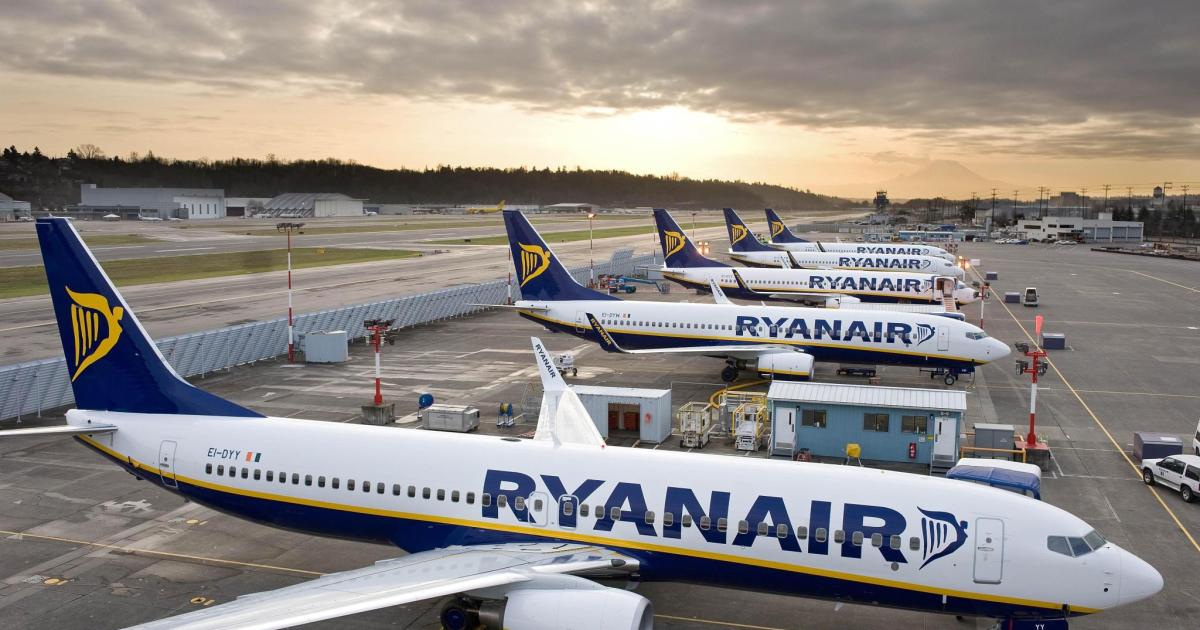
Ryanair, the low-cost airline, has announced a significant reduction in its summer operations, cutting 12 routes and 800,000 seats from its schedule. The airline has completely halted flights from two Spanish airports and reduced services at five others, citing “excessive fees” and “insufficient incentives” imposed by Spain’s airport management authority, AENA.
During a press conference, Ryanair CEO Eddie Wilson criticized AENA’s policies as “ineffective” and misaligned with the Spanish government’s goals of boosting traffic at regional airports. Wilson argued that AENA’s high fees and lack of incentives are harming regional airports, stifling their growth and competitiveness. He emphasized that these policies are counterproductive to the government’s efforts to promote regional connectivity.
The airline has ceased operations entirely at Jerez (Cádiz) and Valladolid airports. Additionally, it has withdrawn one aircraft from Santiago de Compostela and reduced flights at Vigo, Santiago, Zaragoza, Asturias, and Santander. Ryanair described these losses as “entirely avoidable” and attributed them to AENA’s unfavorable policies.
Ryanair has also slashed its capacity at regional airports by 18% for the upcoming summer season. The airline claims that Spain’s regional airports are less competitive compared to other European hubs, forcing it to redirect traffic to destinations such as Sweden, Croatia, Hungary, and Morocco.
In response, AENA has dismissed Ryanair’s claims as “false,” stating that the airline’s demands could be illegal. AENA highlighted that regional airports already benefit from reduced fees, with charges as low as €2 per passenger. The authority accused Ryanair of focusing on expanding at larger airports, where no such discounts are available.
Wilson also criticized the Spanish government for imposing a €107 million fine on the airline, calling it a “ridiculous decision.” He warned that such measures would fail at the European level but, if upheld, would lead to higher ticket prices for passengers.
The reduction in Ryanair’s operations is expected to limit air travel options in several Spanish regions, potentially impacting local tourism and economies. The dispute underscores the ongoing tension between airlines and airport authorities over fees and incentives, with broader implications for regional connectivity and economic growth.