Markets Reverse Course as Geopolitical Tensions Escalate
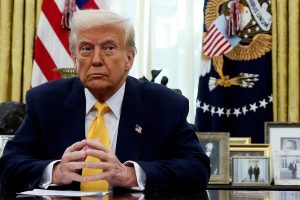
Global oil prices surged and stock markets retreated Thursday after a prime-time address by U.S. President Donald Trump, who vowed to strike Iran “extremely hard,” dashing nascent hopes for a swift end to a month-long Middle East conflict. The speech reversed a brief rally driven by optimism over a potential ceasefire, refocusing investor anxiety on the ongoing closure of the critical Strait of Hormuz.
Price Action and Market Reaction
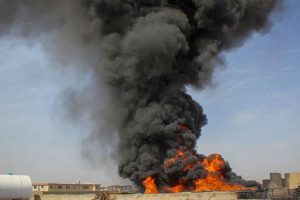
Brent crude futures jumped more than 4% to a high of $105.55 per barrel, while West Texas Intermediate (WTI) climbed 3% to $103.16. Notably, both benchmarks had been falling in the hours leading up to the President’s speech. The sharp reversal underscored the market’s acute sensitivity to geopolitical rhetoric and the security of oil transit routes.
Equity markets, which had rebounded in the previous two sessions, turned negative. U.S. stock futures fell 0.67%, while European futures dipped 0.1%. In Asia, MSCI’s broadest index of Asia-Pacific shares outside Japan slid 0.75%, and Japan’s Nikkei reversed gains to trade down 0.79%.
The Strait of Hormuz: A Global Chokepoint
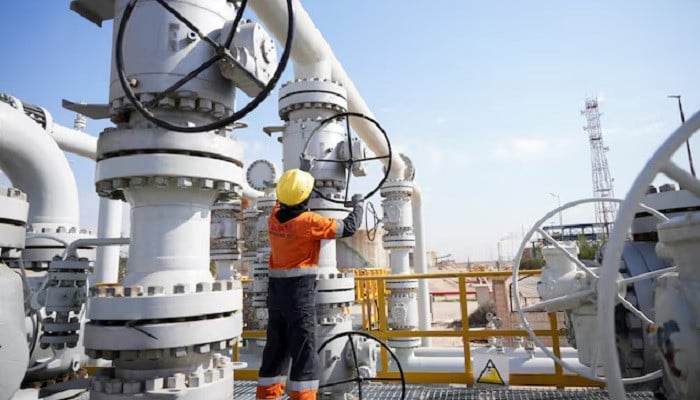
Analysts identified the closure of the Strait of Hormuz as the core concern driving volatility. The strategic waterway handles approximately one-fifth of global oil and liquefied natural gas shipments. Its closure by Iran, which is using it as leverage in the conflict, has created a severe supply bottleneck, particularly impacting Asian economies.
“The market’s sole focus is on when and how the Strait reopens,” said one analyst. “Until there is clarity on supply routes, these wild price swings driven by headlines will continue.”
Broader Economic Implications
The resurgence in oil prices reignites fears of global inflation and slowing economic growth, worries that had sapped market sentiment throughout March. The U.S. dollar, a traditional haven during turmoil, strengthened against most currencies following Trump’s remarks.
The President’s specific warning—that the U.S. would hit Iran into the “Stone Ages” over the next two to three weeks—suggests an escalation, not a de-escalation, contradicting earlier signals that had buoyed markets.
Investor Sentiment and Outlook
The day’s trading illustrates a fragile and reactive market environment. Key takeaways include:
- Oil prices remain the primary bellwether for broader market risk sentiment amid the crisis.
- Any perceived progress toward reopening the Strait of Hormuz triggers relief rallies, while threats of escalation cause immediate sell-offs.
- The path forward for equities and currencies is inextricably linked to geopolitical developments in the Gulf, with high volatility expected to persist.
Investors now await concrete developments on the diplomatic or military front, with the security of global energy supplies hanging in the balance.