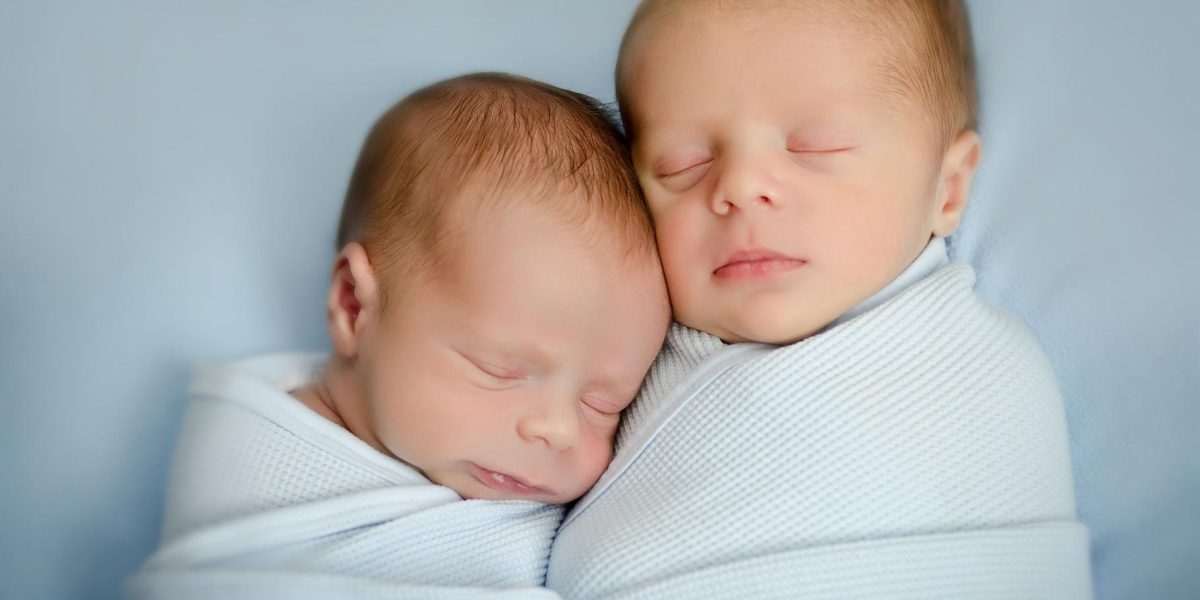
An Australian woman has given birth to twins with different parents in an extraordinary medical and legal case that exposed a gap in the country’s surrogacy legislation. The mother, acting as a gestational carrier, delivered her own biological son and a girl conceived through in vitro fertilization for another couple on the same day.
The rare situation, which occurred in Queensland, was not covered by existing laws and required intervention from the state’s children’s court to resolve. The Guardian obtained access to the court decision, which detailed how the two families reached an amicable agreement despite the legal complexities.
How the Unusual Pregnancy Unfolded
The case involved two couples identified only by initials to protect their privacy. The first couple, BNJ and DRJ, were unable to conceive naturally. Through mutual acquaintances, they connected with DZ and FZ, a couple who already had five children. DZ agreed to serve as a surrogate, and an embryo was transferred via IVF in April 2025.
Two weeks later, a hospital scan revealed an unexpected development: DZ was carrying two fetuses. One was the girl conceived through the surrogacy arrangement. The other was a boy resulting from a separate natural conception that had occurred around the same time and was not planned by the couple. Both children were born five months later, in November 2025.
Legal Hurdles and the ‘Gestational Twins’ Ruling
Queensland’s surrogacy laws prohibit situations where “birth siblings” would be separated. However, the court ultimately ruled that the two children were not “birth siblings” under the legislation but rather “gestational twins” — a distinction that allowed them to be raised by their respective families.
The filiation of both children was not in dispute. The boy was raised by his biological parents, DZ and FZ, while the girl was raised by BNJ and DRJ, her intended parents. Both couples had been caring for the children separately for the ten months leading up to the court decision.
In her ruling, the judge noted the “particular circumstances of this case” and acknowledged the “common understanding” between the two couples. The decision emphasized the need to guarantee the “best interests” of the girl over time.
Families Commit to Ongoing Connection
Both couples assured the court that the two children would grow up “knowing each other” and would be raised to understand their place within their respective families at an appropriate age. This commitment was central to the court’s approval of the arrangement.
The case highlights the growing complexity of assisted reproductive technologies and the legal frameworks that struggle to keep pace. While rare, cases of simultaneous natural and IVF conception — sometimes called superfetation — can create unique legal and ethical challenges for families and courts alike.