Reserves Under Pressure as Key Debt Rollover Fails
Pakistan’s external financing outlook has deteriorated sharply after it failed to secure a rollover of a $3 billion loan from the United Arab Emirates, marking the first such failure in seven years. The loan represents approximately 18% of the nation’s foreign exchange reserves, applying significant strain to its external buffers and threatening currency stability at a time of elevated global crude oil prices.
Immediate Financial Obligations Compound Strain
The pressure on Pakistan’s reserves is multi-faceted. The government is due to make a $1.3 billion bond repayment to international investors this month. Concurrently, the disbursement of a crucial $1.2 billion loan tranche from the International Monetary Fund (IMF) remains pending. The State Bank of Pakistan’s reserves stood at $16.4 billion as of March 27, covering just three months of imports.
Analysts warn the central bank may be forced into unpopular measures to manage the outflow. “The UAE repayment was unexpected and lacked prior arrangement,” said Mohammed Sohail, CEO of Topline Securities Ltd. “We think the central bank will opt for the old method of borrowing through commercial bank dollar swaps. The IMF doesn’t like this… but this is a window that is available.” Other potential steps include restricting imports or raising interest rates.
Geopolitical Shifts and Economic Implications
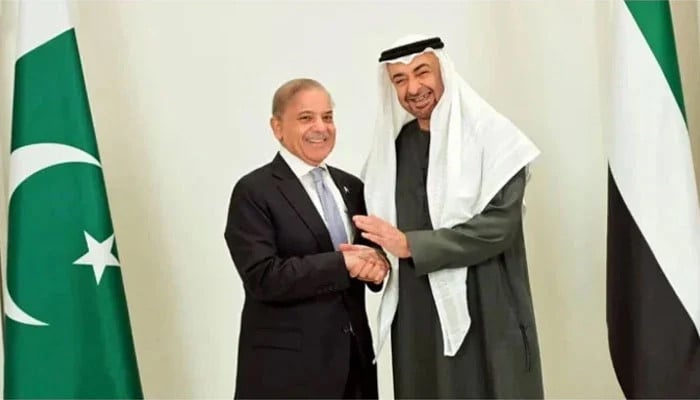
The UAE’s decision to call in the loan, a departure from the standard practice of rollovers among Pakistan’s allies over the past decade, signals a potential shift in bilateral financial relations. It occurs as Pakistan deepens its economic ties with Saudi Arabia. The Foreign Office described the repayment as a “routine financial transaction,” aiming to downplay speculation of a political rift.
“We must acknowledge that UAE’s help came at a very crucial level when Pakistan was struggling,” said Sajid Amin, deputy executive director at the Sustainable Development Policy Institute. “I think the government decided to pay it back when it could not secure a long-term rollover… However, one cannot completely rule out the changing geopolitical situation.”
Investment Context and Future Outlook
Despite the loan recall, UAE entities have maintained investment activity in Pakistan. Recent deals include International Holding Co’s acquisition of First Women Bank Ltd and AD Ports Group’s long-term concession agreement with the Karachi Port Trust. Pakistan had previously attempted to convert part of the UAE debt into equity, including stakes in subsidiaries of the military-managed Fauji Foundation.
The drain on reserves jeopardizes the central bank’s target of building reserves to $20 billion by the end of 2026. Market sentiment is fragile, with the benchmark KSE-100 Index down 15% this year. “Unless we see compensatory inflows from Saudi Arabia to offset the UAE repayment, reserves will go down substantially,” said Mohammad Shoaib, CEO of Lucky Investments. “That doesn’t bode well for market sentiment.”