Britain’s Labour government used the platform of the Confederation of British Industry’s annual conference on Monday to lay out its case for greater public control over energy and water utilities, with senior minister Louise Haigh telling business leaders that the current model has failed consumers and investors alike.
According to Haigh’s office, she will tell the CBI that the government seeks a new partnership with private capital, “built on clear rules, clear expectations and a fair return on investment.” The message is calibrated to reassure boardrooms while signalling a decisive break with the deregulatory consensus of recent decades.
Privatisation Blamed for Excess Profits and Pollution
Prime Minister Andy Burnham has pointed to the privatisation wave of the 1980s and 1990s, followed by weak regulation, as the root cause of excess profits, high energy prices and the failure of some water companies to stop discharging sewage into rivers and the sea.
Haigh will stress that the government does not want “wholesale nationalisation” of utilities. Instead, her concern is that effective monopolies have stifled genuine competition, leaving customers to bear the costs of market failure.
She will also flag that Britain’s utilities sector is an outlier in allowing foreign governments to hold significant stakes — a point likely to resonate with critics who argue that strategic infrastructure deserves stricter ownership rules.
Water Ownership Rules Set for Overhaul
Burnham set out plans in September to reverse legislation that bars the government from owning more than 3% of water utilities in England, with further details on utility regulation expected next month.
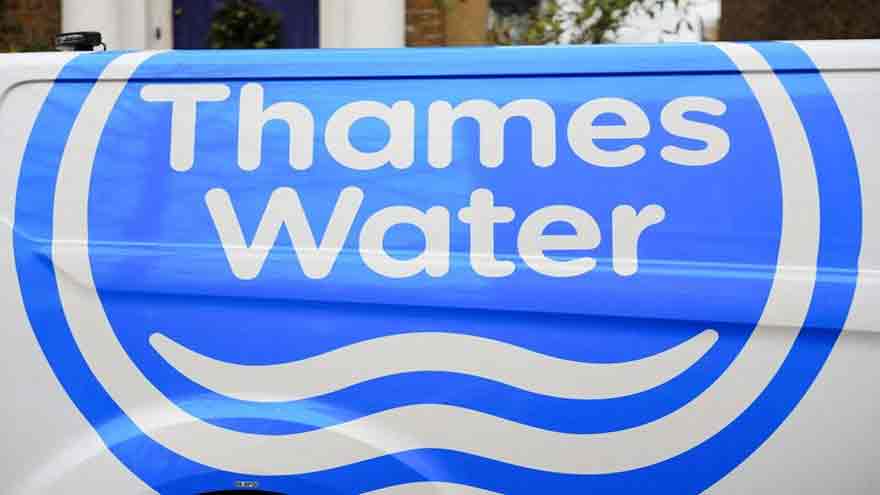
The backdrop is increasingly urgent. Thames Water, which supplies 16 million customers in and around London, has been regarded as at risk of a costly renationalisation and is restructuring its £20 billion ($26 billion) debt after mounting fines for pollution.
Business Lobby Seeks Clarity on Private Capital
CBI Chief Executive Rain Newton-Smith said she wanted reassurance that greater public control was consistent with “private capital at the table … not heading for the exit,” and would not create undue fears of renationalisation.
Political opposition to the plans came swiftly. Conservative Party finance spokesperson Andrew Griffith said nationalisation would not lower bills and argued the government should put less focus on achieving net zero.
Also at the conference, Reform UK leader Nigel Farage plans to criticise big businesses for backing closer EU ties, which he said would raise regulatory costs for their smaller competitors and let them hire cheaper EU workers instead of Britons.
What to Watch
- December’s expected details on utility regulation, which will test how far Labour is prepared to go.
- Thames Water’s debt restructuring and whether it sets a template for the sector.
- Whether the CBI’s call for investor certainty is met with concrete safeguards for private capital.