>A tense diplomatic dance unfolded across the Middle East and Europe on Sunday, as the first round of technical-level negotiations between the United States and Iran concluded in Switzerland, while a nascent ceasefire in Lebanon faced its first major tests. The high-stakes dialogue, mediated by Pakistan and Qatar, signals a potential shift from military brinkmanship to a fragile political process.
Lake Lucerne Summit Concludes First Round
The talks, dubbed the ‘Lake Lucerne Summit’, represent a direct follow-up to the recently signed Islamabad Memorandum of Understanding between Tehran and Washington. A source close to the negotiating team confirmed the initial 80-minute session had wrapped up, focusing sharply on implementing that agreement and addressing the volatile situation in Lebanon.
Notably absent from the agenda was Iran’s nuclear programme. Iranian state television explicitly reported that no negotiations regarding the nuclear file took place, quashing speculation that the discussions might broaden to encompass the long-standing point of international contention.
Pakistan’s Mediation Earns US Praise
In a striking diplomatic endorsement, a US delegation led by Vice President JD Vance met with Prime Minister Shehbaz Sharif and Chief of Defence Forces General Munir. Vance lauded Pakistan’s pivotal role in brokering the initial Iran deal, stating simply, “We love Pakistan.”
Prime Sharif, speaking informally to media in Bürgenstock, characterized both sides as committed to de-escalation. “Iran’s leadership is sincere in their efforts for peace in the region,” he said, also describing US President Donald Trump as peace-loving personality. The premier specifically named Iranian Parliament Speaker and top negotiator Mohammad Bagher Ghalibaf as a genuine partner in the peace push.
Sanctions Relief and Oil Flow
Economic pressure points are already seeing movement. An Iranian negotiator told state media that a draft finalizing sanctions waivers for Iranian oil has been completed and that the waivers would be issued soon. This development coincides with a dramatic assertion from the head of the Iranian National Oil Company, Hamid Bovard, who claimed that over 25 million barrels of Iranian oil had successfully passed through a virtual blockade line since Monday.
However, the path to detente remains littered with warnings. Ghalibaf himself cautioned the United States to be careful in its statements, dismissing threats and asserting Tehran’s preparedness to respond if necessary. This came hours after President Trump threatened to strike Iran if it did not stop what he called its “proxies in Lebanon.”
A Fragile Calm in Lebanon
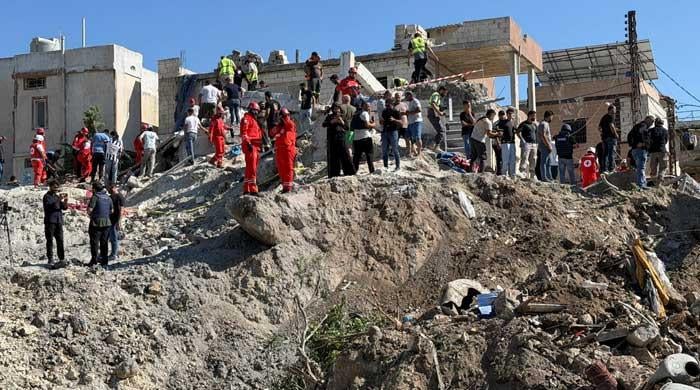
The backdrop to the talks is a precarious ceasefire that took effect on Friday. Israeli armed forces chief of staff Eyal Zamir described the truce as fragile, ordering forces to maintain a high level of readiness for a possible resumption of combat. Israeli officials have stated that troops retain freedom to act without restriction to eliminate threats.
Hezbollah chief Naim Qassem responded with his own defiance, declaring that Israel would not stay in Lebanon and that the group would respond to any violation from the Israeli side. The of cautious threats underscores the immense pressure on the Swiss negotiations to solidify a sustainable halt to hostilities.
As the first round of talks concludes, the international focus remains on whether the technical dialogue can transform a temporary truce into a lasting framework for regional stability, or if the fragile calm will shatter under the weight of unresolved tensions.