Oil Markets and Infrastructure Under Fire
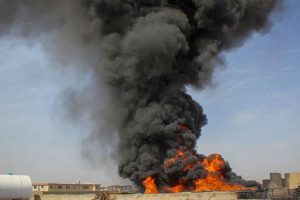
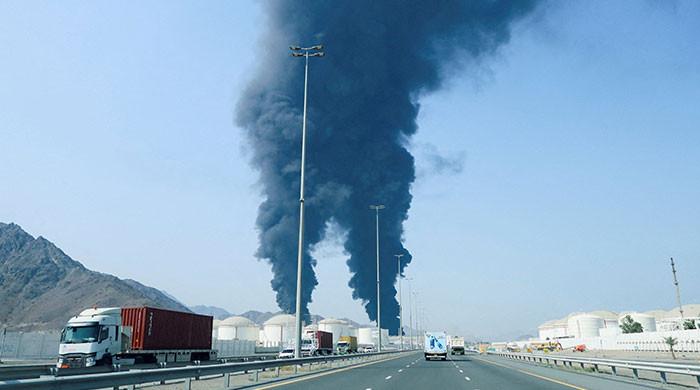
Global oil prices experienced volatility as the military conflict between the United States, Israel, and Iran entered its fourth week. Key energy infrastructure has become a primary target, with an Iranian missile striking electrical systems at Israel’s Haifa oil refineries, forcing a partial shutdown. Simultaneously, Kuwait Petroleum Corporation shut down sections of its Mina Al Ahmadi Refinery following drone attacks.
Diplomatic Warnings and Regional Fallout
Iran issued a stark warning to the United Kingdom, with Foreign Minister Abbas Araghchi stating that any US use of British bases would be considered direct participation in aggression. In a separate development, Sri Lanka’s president confirmed the nation refused a US request to station armed warplanes at Mattala International Airport in early March, highlighting the conflict’s widening diplomatic sphere.
Key Figures Targeted in Strikes
The human toll of the conflict mounted as Iranian state media reported the death of Islamic Revolutionary Guard Corps spokesperson Ali Mohammad Naini in US-Israeli strikes. Iran’s Supreme Leader Ayatollah Khamenei paid tribute to Intelligence Minister Esmail Khatib, who was also killed earlier in the week, urging the ministry to bolster efforts against threats.
Military Actions and Civilian Alerts
Israeli military authorities confirmed the launch of missiles from Iran and activated air defense systems, issuing urgent public safety alerts instructing citizens to seek protected spaces. The UAE announced it had dismantled what it described as a terrorist network funded by Iran and Hezbollah.
As attacks persist on multiple fronts—from the gas bombs reported near Al Aqsa Mosque to the ongoing strikes—the region braces for further escalation with significant implications for global energy security and geopolitical stability.