A tenuous ceasefire between Israel and Lebanon took effect early Friday, even as broader regional tensions persist with the United States maintaining a naval blockade on Iranian ports and ongoing diplomatic efforts to secure a lasting peace. The developments come amid warnings from the International Energy Agency (IEA) that the conflict’s impact on global energy supplies could take years to resolve.
Ceasefire Under Strain in Lebanon
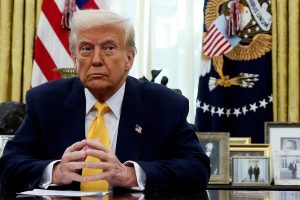
The Lebanese army reported Israeli “ceasefire violations” shortly after the truce began at midnight, citing intermittent shelling in several southern villages. The army has advised residents against returning to the area. The agreement, announced by US President Donald Trump, was hailed by Jordan and the United Arab Emirates as a positive step for regional stability. However, Israeli opposition leader Yair Lapid criticized the deal, stating on social media that only the “permanent removal of the threat” would be acceptable and vowing to address it in a future government.
US Military Posture and Iran Tensions
The Pentagon has detailed a significant military build-up to enforce its blockade of Iranian ports, deploying 12 ships, 100 aircraft, and over 10,000 troops. US Central Command (CENTCOM) clarified that the blockade targets only Iran’s coastline, not the strategic Strait of Hormuz, and claimed 14 vessels have already complied. This occurs as a US-Iran ceasefire arrangement is set to lapse on April 22. US and UK officials discussed next steps on the Iran ceasefire and stressed the urgent need to secure freedom of navigation through the Strait of Hormuz to safeguard global energy flows.
Economic and Energy Fallout
Fatih Birol, head of the IEA, warned that recovering the Middle East’s lost energy output will take approximately two years, with recovery times varying by country. He further cautioned that markets are underestimating the consequences of a prolonged closure of the Strait of Hormuz, a critical chokepoint for global oil shipments.
Diplomatic Movements and Regional Reactions
Diplomatic channels remain active. Iran praised Pakistan’s role in the peace process, while Pakistan called for the swift reopening of the Strait of Hormuz. President Trump, speaking in Las Vegas, suggested the war in Iran is going “swimmingly” and should end “pretty soon,” and hinted at a potential “historic” breakthrough for Lebanon and a possible future trip to Islamabad.
The situation remains fluid, with the Lebanon-Israel ceasefire facing immediate tests and broader regional diplomacy continuing under the shadow of significant military mobilization and profound economic concerns.