Urgent Call on World Water Day
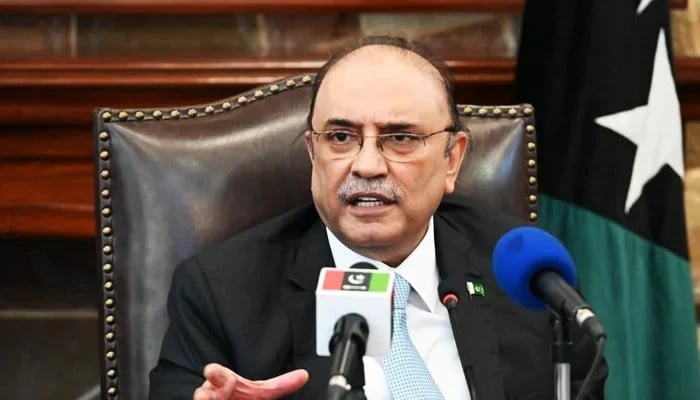
President Asif Ali Zardari has issued a forceful appeal to India, urging it to immediately restore the full implementation of the Indus Waters Treaty (IWT). In a statement marking World Water Day, Zardari condemned what he termed India’s “deliberate weaponisation of shared water resources,” calling it a matter of deep concern for the region.
The Core of the Dispute
The longstanding treaty, which has governed the sharing of the Indus river system for over six decades, was placed in abeyance by India in April 2025. New Delhi’s decision followed a deadly attack in Indian Illegally Occupied Jammu and Kashmir. India accused Pakistan of involvement—a charge Islamabad has consistently denied.
President Zardari detailed the consequences of India’s actions, stating they have disrupted critical hydrological data-sharing and impeded agreed-upon mechanisms. “This undermines both the letter and spirit of a long-standing international agreement,” he said.
Broader Implications and Warnings
The Pakistani president framed the suspension as a threat with far-reaching consequences. He warned that such conduct directly threatens food and economic security for millions who depend on the Indus waters for their livelihoods.
“It sets a dangerous precedent for the management of transboundary resources under international law,” Zardari emphasized, highlighting the potential ripple effects beyond the immediate bilateral dispute.
Linking to Domestic Water Challenges
Connecting the international issue to Pakistan’s domestic struggles, President Zardari highlighted the theme of this year’s World Water Day: “Water and Gender.” He noted that water insecurity disproportionately burdens women and girls, who often spend hours each day collecting water from distant sources.
“The absence of safe water also brings health risks and places additional strain on household life. Addressing this gap is therefore not only a matter of public service delivery but also of fairness and opportunity,” he stated.
A Call for National and Citizen Action
While addressing the international standoff, Zardari also outlined a domestic agenda. He reaffirmed that access to safe water and sanitation is a constitutional right and must remain a national priority. This, he said, requires better resource management, infrastructure investment, and greater inclusion of women in water-related decision-making.
The president encouraged citizen participation through practices like rainwater harvesting to help replenish groundwater. “Small steps by citizens can have a tangible impact on water availability for all,” he noted, while warning of growing pressures on water resources from population demands and climate variability.