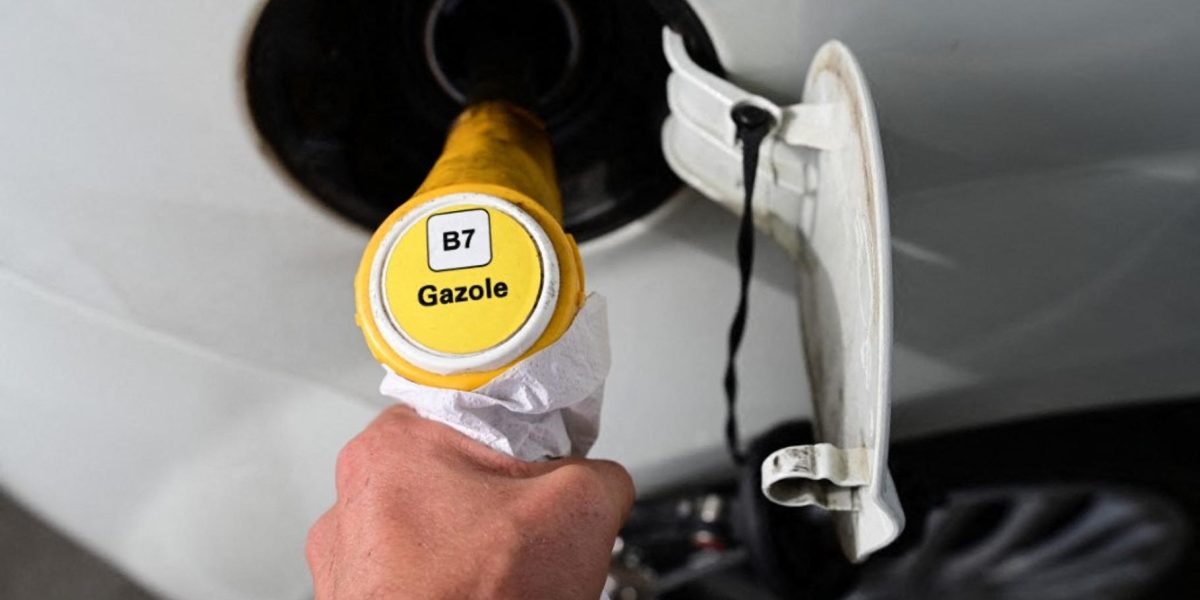
A long-awaited cut to diesel prices is set to take effect in France from Sunday, November 1, with the government promising a reduction of 12 to 18 centimes per litre. The move, made possible by releasing 10 million barrels of diesel from strategic reserves purchased before the war in Iran, aims to ease the burden on motorists facing pump prices of around €2.38 per litre.
The announcement, first made by Emmanuel Macron on the sidelines of a G7 energy meeting in early October, comes as diesel consumption has fallen sharply. According to figures from the Finance Ministry, fuel consumption dropped by 12 points year-on-year in September 2026, with diesel accounting for 67% of French consumption in January 2026. Many drivers have been cutting back on trips as prices have soared.
A Complex Rollout
While the government has insisted it will be ready for the November 1 start date, the practical implementation remains uncertain. Philippe Casbas, president of the French Union of Petroleum Industries (UFIP), initially expressed doubt on RMC, noting that November 1 falls on a Sunday. “I am not absolutely certain it will be in place on the day,” he said, before later telling Le HuffPost that “everyone is aligned to make it effective on November 1.”
According to Casbas, sales contracts are expected to be signed on Friday or Saturday, with the largest distributors prioritised. Once a contract is signed, the discount can be applied even before the physical delivery of the strategic reserves, as permitted by a decree published last Saturday. “It will arrive at stations in the following days. It requires some logistics for the trucks to actually move these stocks,” the Finance Ministry explained.
However, the Economy Ministry has been slightly more cautious, projecting “a discount displayed on November 1 or 2.” The distinction is semantic but important: operators have “the possibility” to pass on the price cut “from” November 1, meaning each company decides when to launch the reduction. Price changes at service stations on Sundays are rare, representing only 2.4% of weekly changes, according to data from the specialist site Prix du Carburant.
Ensuring Compliance
To ensure the discount reaches consumers, distributors are required to pass on the economic benefit, having accessed fuel at three to four times below the current market rate. The fraud watchdog will monitor compliance. “The challenge is that no one makes a margin on this,” the ministry said. Distributors have also committed to offering the same discount across all stations in their networks.
Smaller stations in rural, mountain, or overseas areas can apply for interest-free loans to help them lower prices in advance from November 1. However, prices will not be identical everywhere. Distributors will receive a percentage of the strategic stock based on their market share in 2025, which explains the 12 to 18 centime range. Major retailers remain free to apply their own commercial policies on top of the discount, as TotalEnergies has done by capping petrol at €1.99 per litre and diesel at €2.25 per litre.
TotalEnergies has already moved ahead, announcing it will cut its diesel price to €2.15 per litre from Saturday, October 31, at more than 700 service stations representing 60% of its fuel sales.
What Drivers Should Know
Motorists should be prepared to be proactive over the next three months. “The price reduction will not be displayed on the large totems visible from the motorway, for example—it’s not feasible,” Casbas explained. To find out how much they will save, consumers will need to check the small display boards above the pumps. While fuel will be cheaper, drivers may need to put in a little effort to find the best deal.
- The discount applies from November 1, but may appear on November 2 at some stations.
- The reduction ranges from 12 to 18 centimes per litre, depending on the distributor.
- Prices will not be uniform across all stations.
- Small stations can access interest-free loans to apply the cut early.
- Drivers should check the small display boards above pumps, not the large roadside signs.
The government has also extended aid for high-mileage drivers through December, as it seeks to calm tensions over fuel costs. For now, the message from authorities is clear: the discount is coming, but patience and attention to detail will be required at the pump.