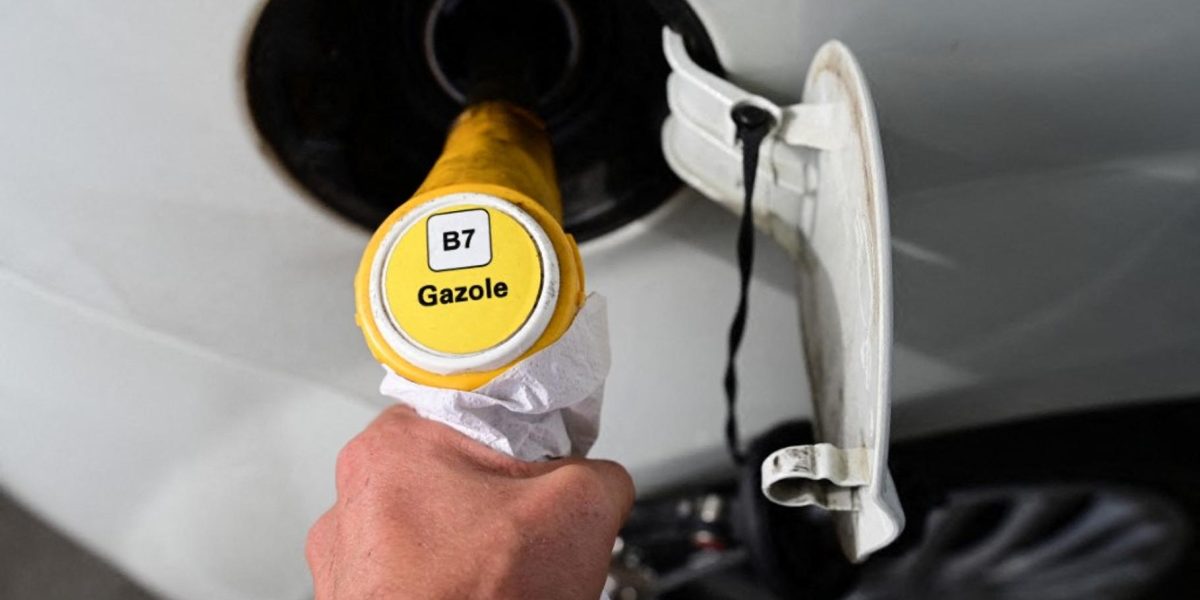
Motorists in France can breathe a little easier — but only a little. Since the start of November, fuel prices have fallen at the vast majority of French service stations, offering some respite after months of soaring tariffs driven in large part by the war in the Middle East. Yet the relief has clear limits: filling up still costs noticeably more than it did before the conflict began in late February.
That is the finding of an AFP analysis published on Tuesday, November 10, based on data from the government’s fuel price website. Since November 1, diesel prices have dropped at more than eight out of ten stations, and at half of them a litre now costs at least 20 cents less than at the beginning of the month. The average price stood at around €2.20 per litre on November 9.
A Glimmer of Normalcy, Far From the Reality
The trend may give the impression that the situation is gradually returning to normal. But comparing current tariffs with those in force before the Middle East war broke out paints a far less encouraging picture.
At the 8,500 service stations examined by AFP, a litre of diesel costs at minimum 27 cents more than on the eve of the conflict. At nine out of ten stations, the gap reaches 35 to 60 cents per litre.
In other words, the recent decline is still far from erasing the increases accumulated since late February. Even the stations that have granted the deepest cuts are affected. More than a thousand of them have lowered their prices by more than 30 cents in about ten days, but in most cases that reduction represents less than half of the earlier increase.
Not every station has revised its tariffs downward. Around a thousand display unchanged prices since the start of the month. Among them, three-quarters belong to TotalEnergies, which has capped the price of a litre of diesel at €2.25 for several months.
Why Are Prices Falling Now?
The decline follows a government decision that took effect on November 1. In an attempt to bring prices back down, the executive has begun releasing part of the country’s strategic diesel reserves. A total of ten million barrels is to be sold at cost price over a three-month period.
Diesel is not the only fuel affected by the easing: SP95-E10, the most widely consumed petrol in France, has also edged lower, though it does not benefit from the government operation on strategic reserves. Since the start of November, half of all stations have cut their price per litre by at least 8 cents.