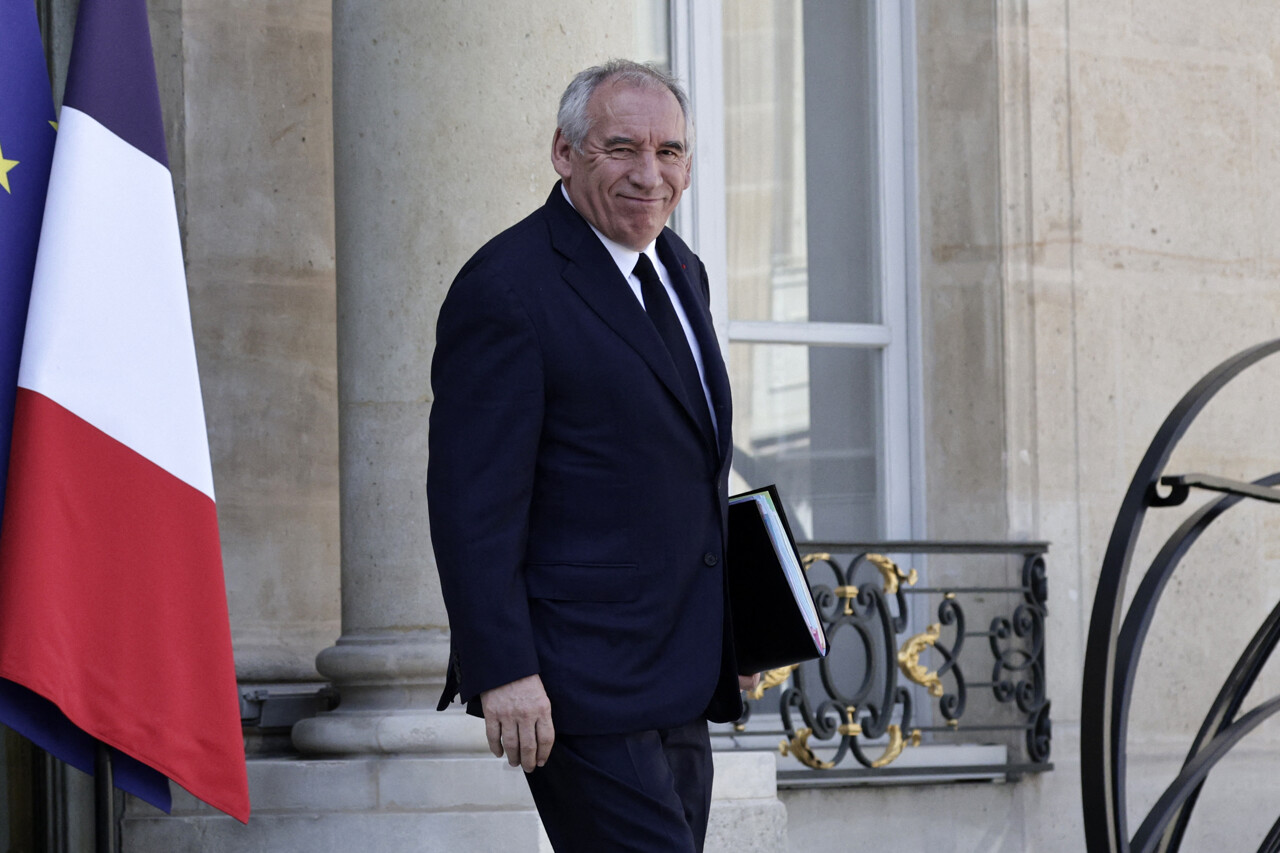
France’s political future is in jeopardy as Prime Minister François Bayrou faces a crucial vote of confidence on September 8 that could determine the fate of the 2026 Budget. The proposal, which includes controversial measures like the elimination of two public holidays, has been met with strong opposition from both political adversaries and the public.
Prime Minister Bayrou’s potential ouster echoes the downfall of his predecessor, Michel Barnier, over similar budgetary issues. Without a dramatic turn of events, France could find itself without a government in two weeks, as both far-right and leftist parties have expressed their intent to topple him. What happens next for the 2026 Budget remains uncertain, and several scenarios could unfold.
If the vote of confidence leads to Bayrou’s resignation, in line with the Constitution’s Article 50, President Emmanuel Macron will face a critical decision: dissolve the National Assembly and call for new elections, or appoint a new Prime Minister. The political landscape remains fragmented, with the Assembly divided among leftist, center-right, and far-right factions. Political analyst Pierre Egéa emphasizes that any new Prime Minister must gain at least tacit support from the Socialist party to secure stability.
Should a new government be established, it would need to swiftly draft a new budget proposal, following the conventional legislative process. Egéa notes that the deadline for submitting this budget proposal is October 7, with its review in Parliament extending until mid-December. However, if the current or any future government fails to finalize the budget, a potential financial shutdown looms—a rarity in France, akin to scenarios seen in the United States.
In such a case, a temporary special measure could be enacted to maintain governmental functions, a move grounded in the Constitution’s Article 47, allowing the government to continue tax collection and borrowing until a resolution is found. If even this special budget is rejected, President Macron could resort to Article 16, giving him extraordinary powers to adopt the budget—though this is seen as an extreme and unlikely measure.
The decision over the 2026 Budget could serve as a litmus test for France’s political cohesion at a time when economic stability is indispensable. The unfolding events over the coming weeks will be closely watched, potentially reshaping France’s political landscape and its governance.