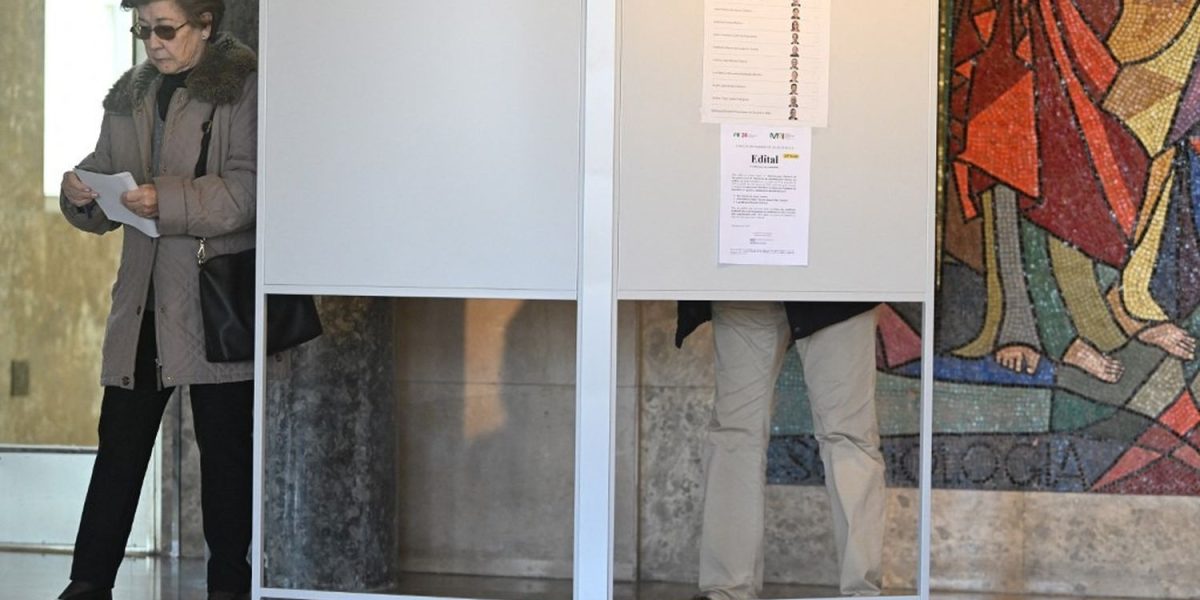
Portuguese citizens are casting their ballots on Sunday, February 8, in the decisive second round of a presidential election that pits the Socialist Party’s Antonio José Seguro against André Ventura, the leader of the surging far-right Chega party.
A Race Defined by Storms and Polls
The final stretch of campaigning was heavily disrupted by deadly storms that swept across Portugal over the past two weeks, forcing at least 14 of the hardest-hit constituencies to postpone voting by one week. Despite calls from André Ventura for a nationwide delay—a move not provided for by law—the runoff proceeded on Sunday, with results expected by evening.
Prime Minister Luis Montenegro assured the public on Saturday that “everything will be done to guarantee the security and normality of the electoral act.”
Seguro Holds Commanding Lead
Antonio José Seguro, a 63-year-old experienced politician who has spent much of the last decade away from the political frontline, enters the vote as the clear favorite. A final poll released on Wednesday credited him with 67% of voting intentions, following his first-round win with 31.1% of the vote.
His opponent, 43-year-old deputy André Ventura, is projected to secure 33% of the vote. Ventura leads Chega—”Enough” in Portuguese—an anti-system party that has become the country’s second-largest political force in just a few years by promising a “rupture” with the establishment parties that have governed Portugal for fifty years.
Campaign Dynamics and Political Maneuvering
Ventura has complained of facing a “all against one” campaign scenario, which he claims made his election “much more difficult.” The political landscape is further complicated by the stance of Prime Minister Montenegro’s minority right-wing government, which relies alternately on support from the Socialists or the far-right in parliament. Following the elimination of his own party’s candidate, Montenegro declined to issue any voting instructions for the runoff.
The election marks a critical test for Portugal’s political direction, balancing the experience of a traditional socialist figure against the disruptive appeal of a populist far-right movement.