Racist Post Backlash Forces Rare Deletion
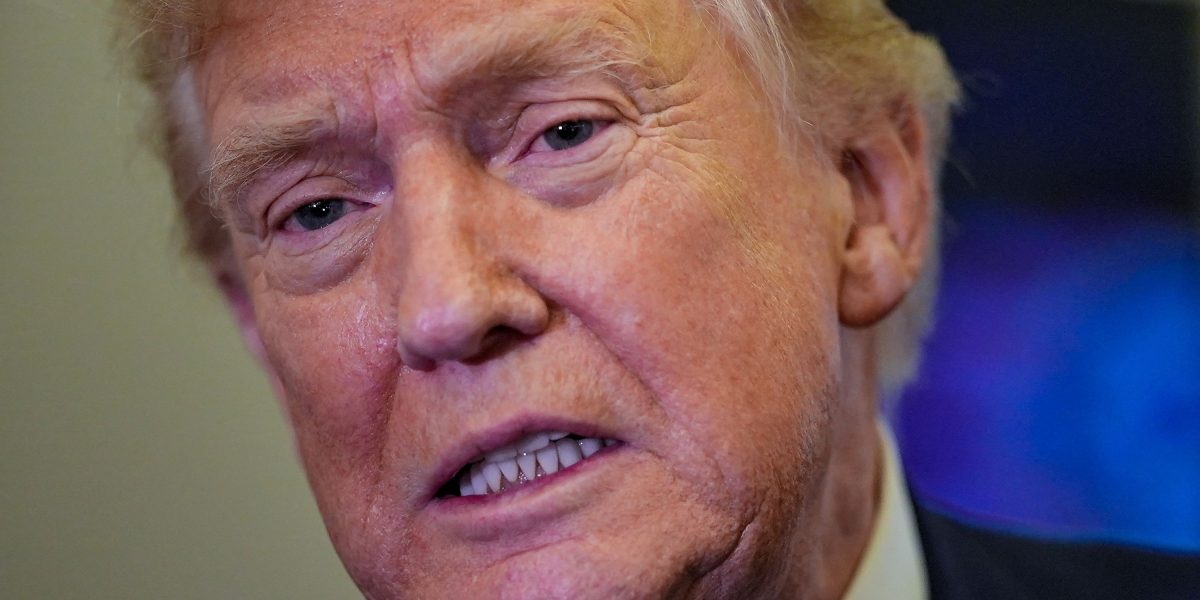
In a significant climbdown, President Donald Trump was forced to delete a virulently racist social media post depicting Barack and Michelle Obama as monkeys. The video, shared on his Truth Social platform, drew immediate condemnation not only from Democrats but from within his own party. Senator Tim Scott, the sole Black Republican senator, led the charge, calling it “the most racist thing” he had ever seen from the White House and demanding its removal. While Trump later insisted he had made “no mistake,” the deletion marked a clear reversal under intense pressure, with his staff in full damage-control mode.
A Pattern of Policy Reversals Emerges
The deleted post is the latest in a series of notable retreats for a president who prides himself on unwavering resolve. This pattern, dubbed “TACO” (Trump Always Chickens Out) by critics, includes major shifts on key issues:
- Greenland Ambitions Scaled Back: Trump’s renewed push to purchase or invade Greenland for “national security” has been quietly downgraded to negotiations over existing U.S. military parcels, following firm resistance from European allies.
- ICE Withdrawal from Minneapolis: In a concession to critics, the administration announced the withdrawal of 700 ICE agents from Minnesota after the deaths of two left-wing activists. Trump also agreed to equip agents with body cameras, a key demand from the left.
These moves followed intense lobbying from influential conservative figures, including media mogul Rupert Murdoch, whose New York Post editorial warned that repressive tactics were alienating crucial swing voters.
Midterm Elections Loom as Primary Concern
The driving force behind these concessions appears to be growing Republican anxiety over the upcoming November midterm elections. Polls consistently predict Trump will lose the House of Representatives, and while the Senate map favors Republicans, recent upset losses in deep-red districts have sparked alarm. The party fears a backlash from independent, Hispanic, and suburban voters horrified by scenes of federal confrontations.
Trump faces a dual threat: a stubborn economic picture where job creation lags and inflation persists, and his own absence from the ballot. Historically, Trump has outperformed polls when he is a candidate; his brand of politics may not transfer to other Republicans on the ticket.
Despite touting foreign policy wins—from Middle East hostage releases to a sealed Mexican border—the president is navigating a period of unusual vulnerability. As one critical editorial noted, the Trump team must now “show the American public that it is capable of showing coolheadedness,” a test that will define the run-up to a pivotal electoral showdown.