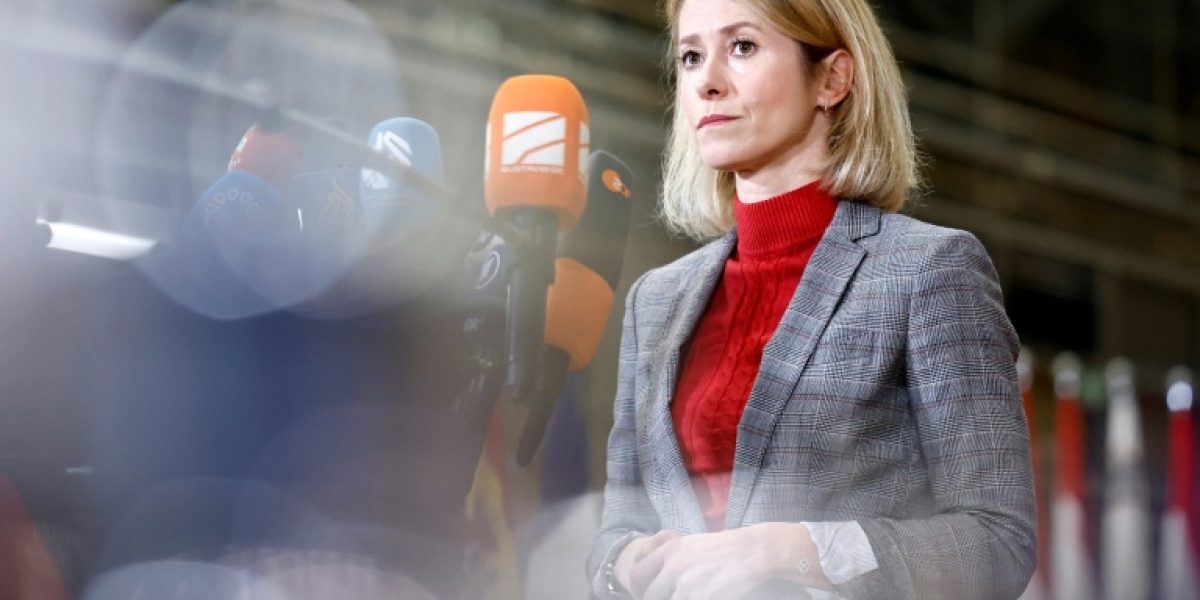
The European Union failed to adopt a new sanctions package against Russia on Monday, just before the fourth anniversary of Moscow’s invasion of Ukraine, due to a Hungarian veto. EU foreign policy chief Kaja Kallas called the deadlock a “setback.”
A Blocked Consensus
At a meeting of EU foreign ministers in Brussels, the 27 member states could not reach unanimity on the 20th sanctions package since the war began. “It is a setback and a message we did not want to send today, but the work continues,” Kallas stated.
Hungary announced its intention to block the sanctions over the weekend, linking its approval to the resumption of Russian oil deliveries via the damaged Druzhba pipeline through Ukraine. Hungarian Foreign Minister Péter Szijjártó said, “Hungary will veto it as long as Ukraine does not resume oil transit to Hungary and Slovakia via the Druzhba pipeline.”
Broader Implications and Warnings
Hungarian Prime Minister Viktor Orbán also threatened to block a €90 billion aid package for Ukraine, agreed upon by EU leaders in December. European Council President Antonio Costa warned Orbán in a public letter that violating such consensus “undermines the principle of loyal cooperation.”
Slovakia and Hungary accuse Ukraine of keeping the Druzhba pipeline closed for political leverage, while Kyiv claims it was damaged by Russian strikes. Despite the veto, French Foreign Minister Jean-Noël Barrot expressed confidence the sanctions would eventually pass: “The question is not if it will be adopted… it is a certainty, but when.”
New Measures and Diplomatic Limits
The proposed sanctions target Russia’s banking and energy sectors, including a ban on maritime services for vessels carrying Russian oil. Additionally, Kallas announced a cap of 40 Russian diplomats permitted to represent Moscow at the EU and efforts to restrict visas for Russians who fought in Ukraine.
“We do not want war criminals and saboteurs walking our streets,” Kallas emphasized. EU leaders, including Costa and European Commission President Ursula von der Leyen, are scheduled to visit Kyiv on Tuesday to discuss these issues with Ukrainian President Volodymyr Zelensky.