Key Facilitator Arrested at Porous Border
Indian authorities have arrested a third suspect linked to the high-profile murder of a prominent Bangladeshi student activist, further entangling the case in the complex bilateral relations between the two neighboring nations. Philip Sangma, a Bangladeshi national, was detained on Saturday for allegedly facilitating the illegal entry into India of two prime suspects wanted for the killing of Sharif Osman Hadi.
The Murder That Sparked Regional Tensions
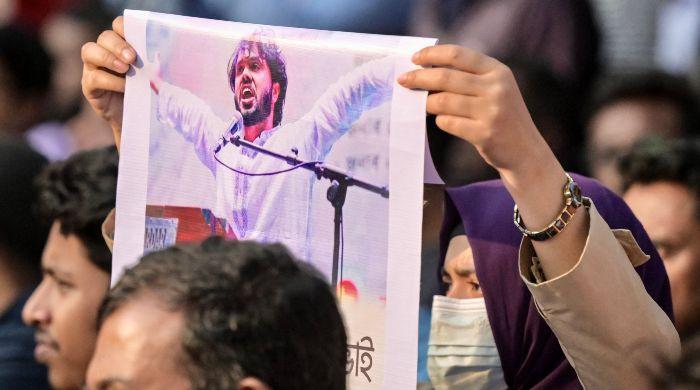
Sharif Osman Hadi, a senior leader of the student protest group Inqilab Mancha and a vocal critic of India, was shot by masked assailants outside a mosque in Dhaka on December 12, 2025. He later died from his injuries in a Singapore hospital. Hadi was a notable figure in Bangladesh’s 2024 mass pro-democracy uprising.
His assassination triggered violent protests across Bangladesh, where angry mobs set fire to buildings, including two major newspapers perceived as pro-India and a prominent cultural institution.
Manhunt and Cross-Border Flight
West Bengal police identified Faisal Karim Masud and Alamgir Hossain as the primary suspects in the killing. The duo allegedly fled Bangladesh through the Haluaghat border into India’s West Bengal state shortly after the attack. Indian police arrested them on March 8.
According to West Bengal’s Special Task Force Superintendent Indrajit Sarkar, the newly arrested suspect, Philip Sangma, is accused of helping Masud and Hossain cross the porous border. Sangma appeared in a district court on Saturday and was remanded to police custody for one week.
Strained Diplomatic Relations
The murder and subsequent arrests have further strained India-Bangladesh relations, which have been frayed since former Prime Minister Sheikh Hasina fled the 2024 uprising and sought refuge in India. India’s foreign ministry has explicitly rejected what it calls “false narratives” about New Delhi’s involvement in Hadi’s killing.
In a recent sign of a potential diplomatic thaw, Indian Prime Minister Narendra Modi congratulated the Bangladesh Nationalist Party for winning the first parliamentary elections held since Hasina’s exit.
The investigation continues as authorities piece together the cross-border movements and motivations behind the activist’s killing.