Diplomatic Breakthrough or Temporary Truce?
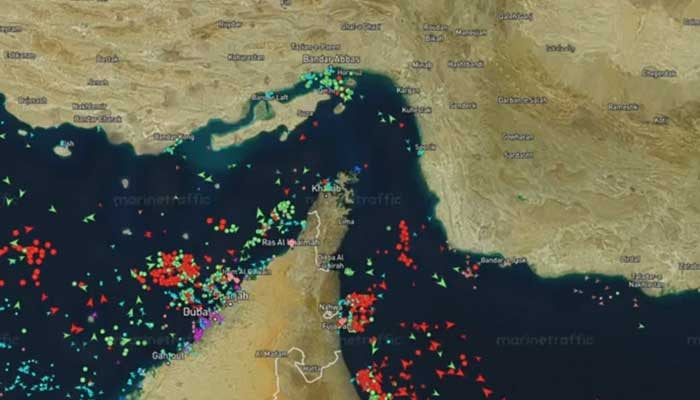
In a significant development, Iranian Foreign Minister Abbas Araghchi announced the Strait of Hormuz is open for all commercial vessels, following a U.S.-brokered ceasefire between Israel and Lebanon. The announcement, made via social media, coincided with U.S. President Donald Trump’s statement that a deal to end the ongoing conflict with Iran could be reached “soon.”
Economic Stakes and Global Impact
The strategic waterway, a critical chokepoint for global oil shipments, had been effectively closed since hostilities began on February 28. The closure threatened a historic oil shock, with a fifth of the world’s oil and liquefied natural gas transit blocked. Following Araghchi’s statement, oil prices fell by approximately 9%. The International Monetary Fund has already warned of recession risks if the conflict persists.
U.S. Blockade and Negotiation Hurdles
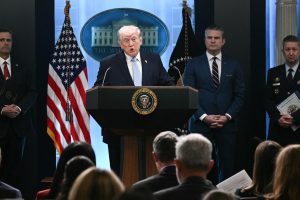
Despite the Iranian announcement, President Trump clarified that a U.S. military blockade on ships heading to Iranian ports remains in full force. He stated it would stay until a transaction with Iran is “100% complete,” adding that most points had already been negotiated. However, the timing of the next round of talks in Islamabad remains uncertain, with logistical challenges causing potential delays.
Sources indicate key sticking points remain, particularly regarding Iran’s nuclear program. The U.S. has proposed a 20-year suspension of Iranian nuclear activity, while Tehran suggested a three-to-five year halt. Disputes also surfaced over reports of transferring highly enriched uranium, which Iranian state media firmly denied.
Regional Ceasefire Holds as Backdoor Diplomacy Advances
A parallel ceasefire in Lebanon between Israel and Hezbollah appeared to be largely holding, a condition Pakistan cited as essential for broader talks. Meanwhile, a Pakistani mediation source reported progress in backchannel diplomacy, suggesting an upcoming meeting could yield a memorandum of understanding, paving the way for a comprehensive deal within 60 days.
“Both sides are agreeing in principle. And technical bits come later,” the anonymous source stated. However, public rhetoric from senior Iranian clerics struck a defiant note, emphasizing that negotiations would not proceed under humiliation.
Path Forward
As troops mobilized in Islamabad ahead of potential talks, the world watches to see if the reopening of the Strait of Hormuz marks a genuine step toward de-escalation or a fleeting pause in a conflict that has claimed thousands of lives and destabilized the Middle East.