ENGLISH_SUG: us-iran-ceasefire-violations-truce-talks
The fragile ceasefire between the United States and Iran is showing critical signs of strain, with Tehran formally accusing Washington of breaching the truce and vowing a response. The escalating war of words threatens to unravel a nascent peace process, even as diplomatic channels remain open and global powers call for restraint.
Accusations of Violations and Threats of Retaliation
Iran has directly accused the United States of violating the terms of the ceasefire agreement. The accusation comes amid reports of US forces attacking missile sites in southern Iran and targeting boats attempting to lay mines. In response, Iran has warned of retaliation, plunging the tenuous halt in hostilities into immediate jeopardy. A senior Iranian Revolutionary Guards official, while characterizing the possibility of renewed war as “low,” issued a stark warning. “The armed forces are lying in wait with full magazines,” said Mohammad Akbarzadeh, deputy political chief of the IRGC Navy. “Do not doubt that we will turn the area from Chabahar to Mahshahr into a graveyard for aggressors.”
Diplomatic Scramble at Camp David and the UN
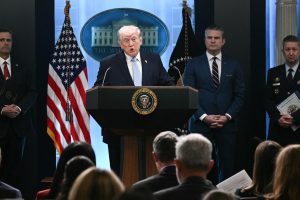
In a sign of the crisis’s severity, President Trump is preparing to convene his cabinet at Camp David to deliberate on the US strategy regarding Iran. The high-level meeting underscores the administration’s focus on managing the fallout from the ceasefire violations and charting a path forward.
On the international stage, China’s top diplomat, Foreign Minister Wang Yi, has called for both the US and Iran to make concessions to salvage the peace process. Speaking during a UN Security Council debate, Wang reiterated the need for all parties to respect the ceasefire. The diplomatic push comes as Iran’s top negotiator has reportedly returned to Tehran, a move that could signal a critical internal review of the country’s negotiating position.
Crisis Widens: Israeli Strikes and Hezbollah Operations
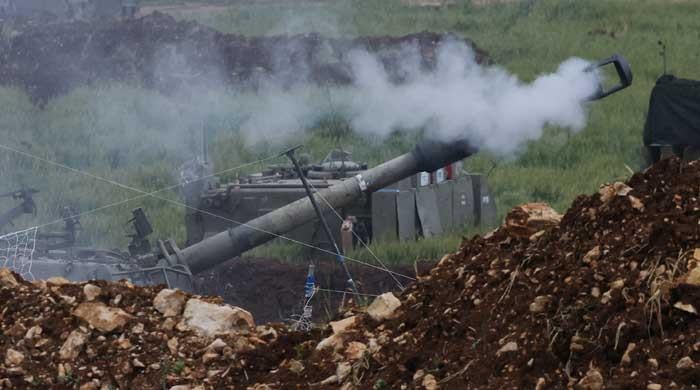
The US-Iran tensions are unfolding against a backdrop of escalating violence on Israel’s northern front. Israeli airstrikes continue to pound southern Lebanon, leaving two people dead in the town of Deir Aames and destroying two homes in Braiqaa. The Israeli military issued nearly 50 evacuation warnings, signaling an intensification of its operations.
Hezbollah, the Iran-backed Lebanese militant group, claimed it carried out 32 separate operations against Israeli forces on Tuesday alone. The group reported engaging in direct clashes and launching rocket, artillery, and drone strikes that targeted or destroyed several Merkava tanks, armored vehicles, communication systems, and an Iron Dome platform. Separately, the Israeli military confirmed a projectile launched from Lebanon fell in an open area in northern Israel, causing no injuries.
Partial Internet Restoration in Iran
Amid the military and political turmoil, a significant domestic development is underway in Iran. Internet monitoring group NetBlocks reports that mobile networks are being partially reconnected to the global internet, following an 88-day near-total shutdown. The restoration comes after a decree by President Masoud Pezeshkian. However, NetBlocks noted that Iran’s state-imposed internet filtering system and restrictions on platforms like WhatsApp remain firmly in place.
International Condemnation and Support
The broader regional instability has drawn international responses beyond the immediate US-Iran conflict. The UAE has welcomed a UN Security Council statement expressing “grave concern” over the drone strike targeting the Barakah nuclear power facility, calling it a united message against attacks on civilian infrastructure. Meanwhile, the UN chief has appreciated Pakistan’s contributions to international peace, a nod to diplomatic efforts to stabilize the volatile situation.