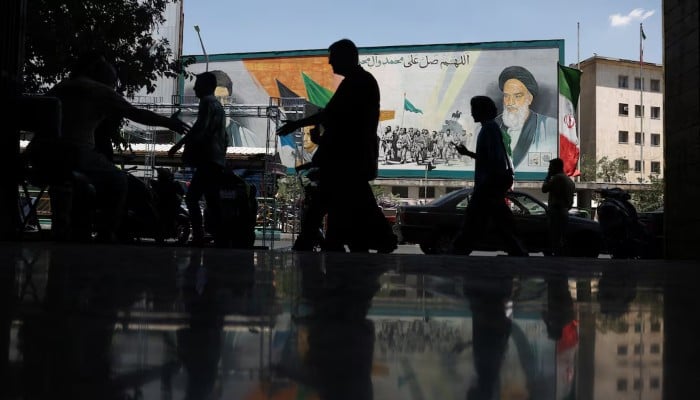
In a dramatic diplomatic breakthrough mediated by Pakistan, the United States and Iran have reached a preliminary agreement to permanently end military hostilities on all fronts and reopen the strategically vital Strait of Hormuz. The announcement, which sent global oil prices sharply lower, marks a potential turning point in a devastating conflict that has killed thousands and destabilized global energy markets since February.
Prime Minister Shehbaz Sharif was the first to announce the deal early Monday, stating that both nations had committed to an “immediate and permanent termination of military operations.” The official memorandum of understanding is scheduled to be signed in Switzerland on June 19.
A Framework for Peace, with Nuclear Issues Deferred
While hailed as a major breakthrough, the agreement remains a framework that leaves the most contentious issue—Iran’s nuclear program—to further negotiations. US President Donald Trump confirmed the development on his Truth Social platform, writing, “The Deal with the Islamic Republic of is now complete.”
According to the secretariat of Iran’s Supreme National Security Council, all war and military operations, including those in Lebanon, will permanently cease starting Monday night. The ceasefire in Lebanon has been a critical sticking point, with Israel and Hezbollah previously ignoring international calls for de-escalation.
Iran’s Deputy Foreign Minister Kazem Gharibabadi stated that a more comprehensive agreement, including sanctions relief, would be negotiated during a 60-day ceasefire period. The fate of Iran’s highly enriched uranium stockpile, now exceeding 400 kilograms of near-bomb-grade material, will be a key focus of those upcoming talks.
Economic Relief and Global Reaction
The immediate economic impact was palpable. Trump declared that the Strait of Hormuz, effectively blockaded by Iran for months, would reopen on Friday, and that he had ordered an end to the US naval blockade of Iranian ports. “Ships of the World, start your engines. Let the oil flow!” he posted. Brent crude futures fell 4% in early trading, while Asian stock markets jumped.
The pact was sealed despite an Israeli strike in Lebanon on Sunday that drew criticism from both Tehran and Washington, highlighting the complex dynamics between Trump and Israeli Prime Minister Benjamin Netanyahu. Trump, in an interview with the New York Times, called Netanyahu “a very difficult guy” and argued the Israeli leader should thank him for preventing a nuclear-armed Iran.
European powers welcomed the news. In a joint statement, Britain, Germany, France, and Italy declared their readiness to lift sanctions on Iran in response to “clear, verifiable steps” to limit its nuclear program. British Prime Minister Keir Starmer emphasized that “toll-free freedom of navigation must now be restored in the Strait of Hormuz.”
Pakistan’s Diplomatic Triumph
Prime Minister Sharif lauded the collaborative mediation effort, expressing appreciation for Qatar’s role and thanking the “visionary leadership” of Saudi Arabia and Turkiye for their immense. Mediators are now set to facilitate a series of pre-implementation meetings this week to lay the groundwork for the official signing.
The war, initiated by joint US-Israeli strikes on February 28, became a growing political liability for Trump ahead of the November midterm elections, with American voters frustrated by soaring gas prices. While Republican Senator Lindsey Graham, a leading Iran hawk, praised the deal, he cautioned he would be “watching closely” and insisted any nuclear agreement would be subject to a Congressional vote.
Former State Department spokesperson Matthew Miller offered a critical view, asserting that Trump had made significant concessions merely to return to the pre-war status quo. “We have no assurances the nuclear program will ever be addressed, but Iran has shown the world it can take the global economy hostage and get something from the US in return,” Miller said.