1>US Pledges Open-Ended Naval Blockade on Iran, Warns of Unprecedented Economic Isolation
The United States signaled on Thursday that it could sustain a naval blockade of Iran without a time limit and promised to intensify economic pressure on Tehran, as ceasefire founder, global oil supplies shrink, and regional hostilities escalate.
Defense Secretary Pete Hegseth said the U.S. has the capacity to keep a rotating naval presence in the region to enforce the blockade, which has already dealt a heavy economic blow to Iran.
“Indefinitely the United States Navy can maintain a blockade like that because we’ll rotate ships in and out, as we, and we’ll continue to,” Hegseth told reporters during a trip to Panama.
Treasury Secretary Scott Bess reinforced the hardline stance, promising a new wave of financial measures against Iran.
“Watch this space for more announcements coming week because we are going to apply measures like have never been seen in the history of economic isolation on a country,” Bessent said in an on Newsmax’s “Rob Schmitt Tonight” program.
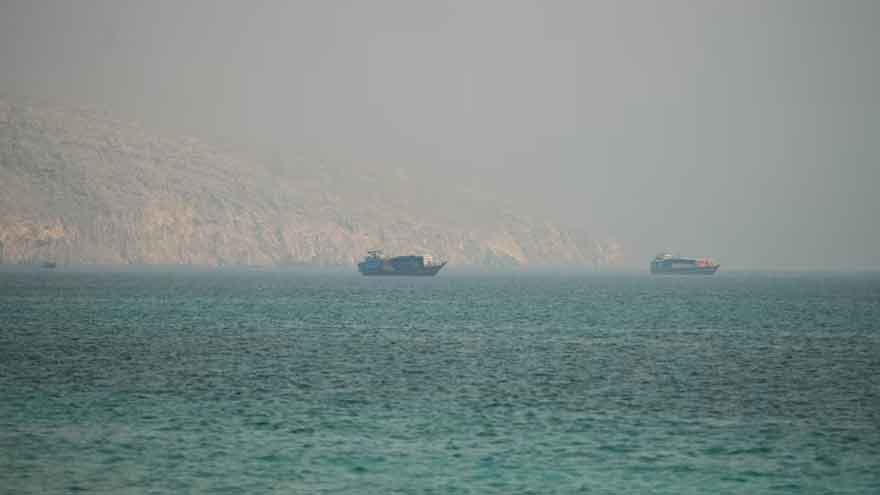
Strait of Hormuz Becomes FlashpointWith a tentative June deal to end the war in tatters, Iran has sought leverage over Washington by tightening its grip on the Strait Hormuz. The strategic waterway carried roughly one-fifth of the world’s oil and liquefied natural gas before the conflict began in Februaryp>
Iran has attacked multiple vessels attempting to transit the strait. On Thursday evening, two ships belonging to the state-owned Abu Dhabi Oil Company were struck, according to UAE state news agency WAM. The United Arab Emirates government condemned the incident as an Iranian attack.Shipping traffic through the strait has plummeted. Only eight vessels transited on Tuesday, compared with a 10-day average of 12, and 130 to 140 ships per day before the war.
President Donald Trump has repeatedly claimed the U. maintains “total control” over the strait, a statement Tehran denies. Iranian officials have said the waterway will remain closed until their conditions met, including the removal of economic sanctions and the release of frozen Iranian assets.
Economic Pressure Intensifies
The U.S. briefly lifted its blockade of Iranian shipping and ports for a month in mid-June but has since reimposed, severing Tehran’s primary source of hard currency and compounding earlier losses from wartime strikes on its energy infrastructure.
Washington previously it would end the blockade once Iran and Oman, which sit on opposite sides of the strait, reach an agreement to restore commercial shipping. such deal has emerged.
Trump has threatened to escalate military strikes and “hit Iran hard,” but has so far avoided deploying troops or targeting strategic islands and desalination plants Earlier this week, he suggested he would rely on economic tools rather than additional military actionp>
The U.S. has tightened sanctions on Iran and on individuals and entities accused of helping Tehran procure weapons. Despite the pressure campaign Iran has not returned to the negotiating table.
Global Oil Supply Shrinks
The International Energy Agency Wednesday forecast that global oil supply would fall by 4.3 million barrels per day, or about 4%, this year Just a ago, the agency had projected a drop of 3.7 million barrels per day.
Oil prices settled down more than2% on Thursday after a week of gains, as investors weighed signs of weaker global demand and a sharp increase in U.S. crude inventories.
But that Yemen’s Iran-backed Houthis had targeted a Saudi Aramco refinery with drones unsettled the market, fears of a widening regional war.
Global economists have warned that the conflict could sharply reduce world growth and potentially tip some into recession if it is not resolved soon.
Hegseth declined to say whether the U.S. now views its ceasefire declaration as a mistake. That truce ended high-tempo bombing of Iran in exchange for peace negotiations that have failed to produce a settlement.
“I’m never going to comment on that. We’re doing exactly what we need to, to ensure that Iran has a nuclear weapon,” Hegseth said.