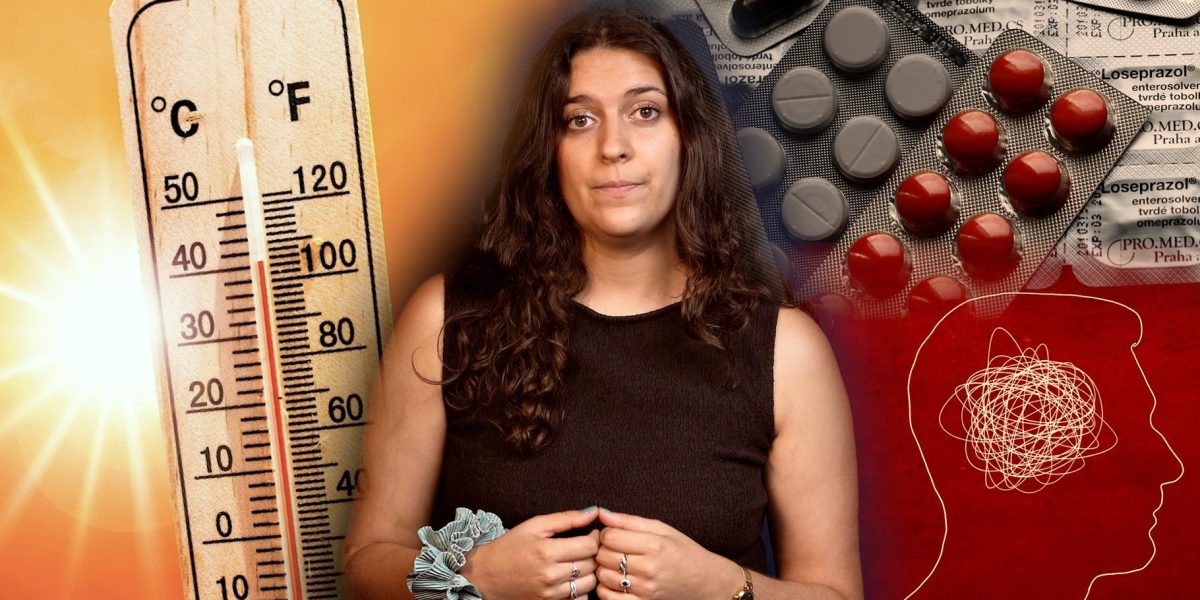
Five heatwave episodes, 52 days of extreme heat, and the hottest July in recorded history. The summer we just endured shattered every record, and yet it may be the coldest one we experience for the rest of our lives.
You felt it undoubtedly—all those sweltering days took a toll on your health. Dehydration, breathing difficulties, sleep disturbances, fainting, and even worse. In a provisional report, Santé Publique France attributes 7,300 “excess deaths” to heatwaves from the first one in May through July 22.
When Heatwaves Strike in Rapid Succession
What made this summer particularly alarming was that our bodies were exposed to extreme temperatures repeatedly, sometimes only days apart. And that repetition carries its own set of health consequences.
To better understand the effects of these repeated heatwaves on the human body, we spoke with Basile Chaix, research director at INSERM (the French National Institute of Health and Medical Research).
“I lead a small environmental epidemiology team that studies the effects of environments, particularly thermal environments and heat, on health,” he explains in our video interview.
Beyond the Immediate Danger: Long-Term Impacts
During our conversation, we delved into biological aging, the impact of heatwaves on sleep, and their effects on psychological functioning. The researcher also addressed our questions about the human capacity to adapt to rising temperatures.
As climate change accelerates, understanding these hidden health costs becomes critical. The summer may no longer be a season of lightness but one of anxiety—a sign that we have entered uncharted territory.