Ever dreamed of having a storm named after you? For thousands of people in France, that wish may soon become a reality. Météo-France released the official list of names for the 2026-2027 storm season on Friday, August 28, following a public consultation held earlier this spring.
The national weather agency invited citizens to submit their favorite first names, and more than 40,000 people responded. The result is a list of 21 names — both male and female — that will be used to identify significant windstorms across southwestern Europe over the coming year.
The Complete List of Storm Names
The selected names, in alphabetical order, are:
- Adam
- Bruna
- Charles
- Diane
- Eric
- Flora
- Gabriel
- Héloïse
- Igor
- Julia
- Kévin
- Lola
- Michel
- Nathalie
- Oscar
- Paola
- Rafael
- Sandra
- Thomas
- Vera
- Walter
Météo-France thanked the public for their enthusiastic participation, noting that naming storms helps improve communication and public awareness when dangerous wind events approach.
Why Naming Storms Matters
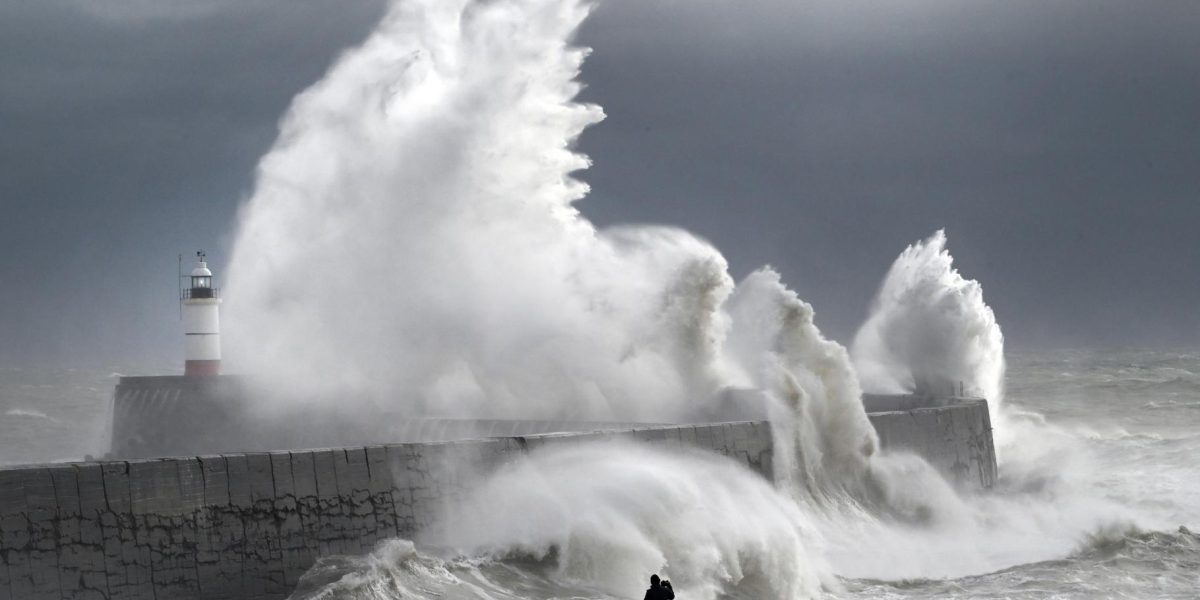
Giving a name to a storm is not just a symbolic gesture. According to Météo-France, it allows authorities and media outlets to communicate more effectively about an approaching weather system. A named storm is easier to track, discuss, and remember than a technical depression number or coordinate.
This practice has deep historical roots in Europe. Since 1954, the Free University of Berlin was responsible for naming all anticyclones and depressions affecting the Atlantic and Europe. However, in 2017, a group of southwestern European meteorological agencies decided to create their own naming system.
A Rotating System Among Six Countries
The group — known as the South-West group — includes France, Spain, Portugal, Belgium, Luxembourg, and Andorra. Each country takes turns proposing a list of names for a given storm season. For 2026-2027, it is France’s turn, which is why the public was invited to participate.
The names will come into effect on September 1, marking the start of the new storm season. However, not every low-pressure system will receive a name. A depression is only named if it is expected to trigger at least an orange wind warning in one of the six participating countries.
The meteorological service that first issues an orange or red alert assigns the name from the pre-established list and informs the other countries. This coordinated approach ensures consistency across borders.
Different Rules for Northwestern Europe
The naming system only applies to storms that first affect the southwestern group of countries. When a storm is expected to hit Ireland, Great Britain, or the Netherlands first — a group referred to as the West group — those countries use their own naming lists. In such cases, Météo-France adopts the name chosen by that group, and vice versa.
This dual system reflects the complex weather patterns that affect different parts of Europe. Storms originating in the Atlantic can take very different paths, and having regional naming groups helps avoid confusion.
The public consultation marks a rare opportunity for ordinary citizens to leave their mark on meteorological history. With names ranging from classic French choices like Charles and Nathalie to more international options like Oscar and Vera, the 2026-2027 season promises to be both memorable and well-documented.