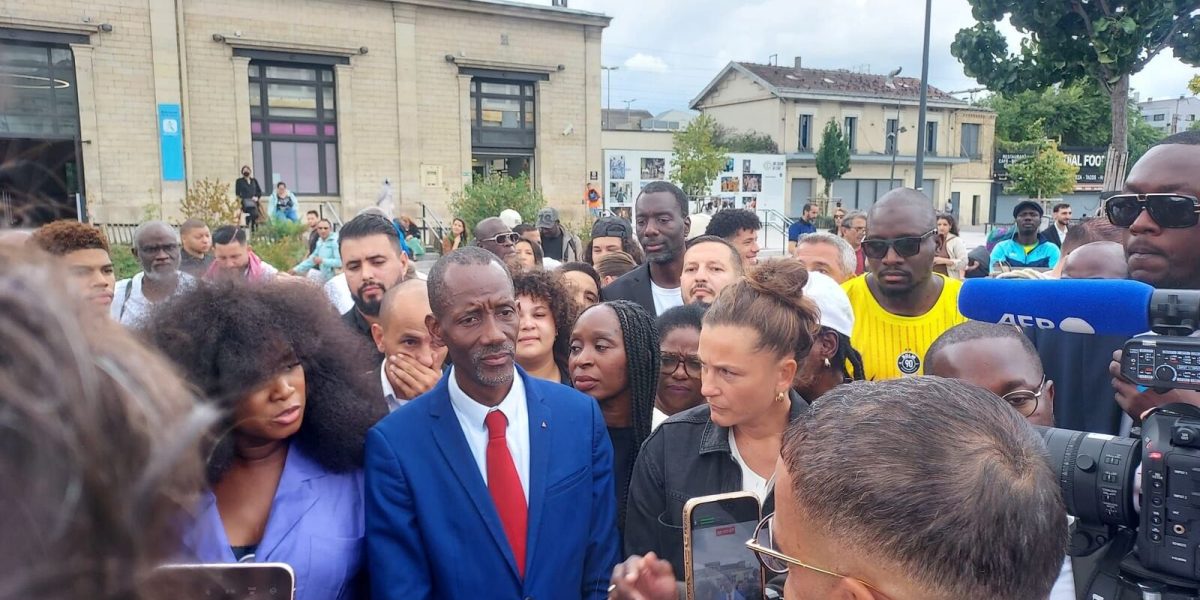
On a quiet Sunday afternoon in Saint-Denis, a few hundred people gathered near the RER station, drawn not by loudspeakers or colorful banners, but by word of mouth and social media posts. The occasion was the launch of the Alliance of Number 10s from the working-class neighborhoods — a new political vehicle designed to energize young voters behind the presidential candidacy of Jean-Luc Mélenchon.
A Discreet Launch with Ambitious Goals
The event, held on August 30, 2026, bore none of the usual trappings of a political rally. There were no flags, no posters, and no stage decorations beyond a simple platform and a tent. Yet the absence of spectacle belied the strategic importance of the gathering. Organizers, led by Bally Bagayoko, stood alongside prominent figures including Assa Traoré and several lawmakers from La France Insoumise, such as Aly Diouara, who was easily recognizable in a yellow jacket.
Bagayoko, a well-known figure in community activism, addressed the crowd with a clear message: the youth of France’s diverse, often marginalized suburbs must become central actors in the 2027 presidential election. The alliance takes its name from the number 10 jersey in football — the playmaker’s position — symbolizing leadership, creativity, and the ability to change the game.
Why the Suburbs Matter in 2027
For Mélenchon, who has consistently performed strongly among younger voters and in urban areas with large immigrant populations, the suburbs represent both a political base and a persistent challenge. Voter turnout in these neighborhoods has historically lagged behind national averages, and many residents express feelings of political alienation.
The Alliance of Number 10s aims to bridge that gap by organizing local events, voter registration drives, and issue-based campaigns focused on housing, employment discrimination, and police reform. The goal is not merely to endorse Mélenchon but to build a durable political infrastructure that outlasts any single election cycle.
A Grassroots Strategy in a Fragmented Field
The launch comes at a time when the French left remains fragmented, with multiple parties and movements competing for influence. Mélenchon’s camp hopes that a dedicated suburban mobilization effort will give him a decisive advantage in the first round of voting, particularly if other left-wing candidates split the traditional progressive vote.
Observers note that the alliance’s low-profile launch may be intentional, avoiding media scrutiny while focusing on direct engagement with community leaders and local influencers. The presence of Assa Traoré, a prominent anti-racism activist, signals an emphasis on social justice issues that resonate strongly in the banlieues.
Challenges Ahead
- Overcoming voter apathy and distrust of mainstream politics in suburban areas
- Competing with other left-wing movements for the same demographic
- Translating local activism into measurable electoral gains by April 2027
- Addressing concerns about policing, unemployment, and public services that dominate local discourse
Despite these hurdles, organizers express confidence that the Alliance of Number 10s can replicate successful grassroots models seen in other countries, where sustained community organizing has shifted electoral outcomes. Whether this new movement can deliver the suburban surge Mélenchon needs remains one of the key questions of the upcoming presidential race.