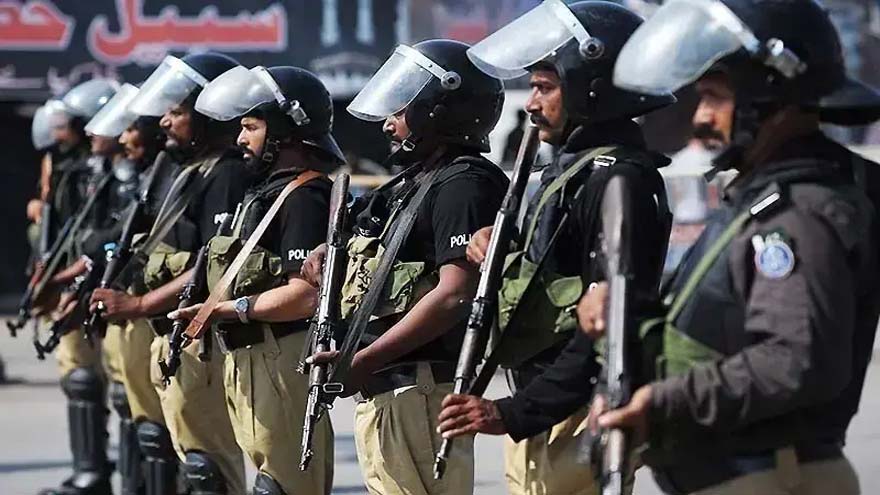
The Khyber Pakhtunkhwa government has decided to amend the Police Act 2017, preparing a draft that would grant the province the authority to appoint its own Inspector General of Police, according to sources familiar with the proposal.
The proposed legislation marks the latest chapter in a long-running dispute over who controls policing in the province — the elected provincial government or the police hierarchy backed by court rulings.
What the Draft Amendments Propose
Under the draft, the chief minister would gain the power to appoint and transfer Regional Police Officers (RPOs) and District Police Officers (DPOs), mirroring the authority the provincial government already exercises over bureaucratic appointments.
- Provincial authority to appoint the Inspector General of Police (IGP).
- Chief minister empowered to post and transfer RPOs and DPOs.
- Establishment of a Public Safety Commission to oversee policing across the province.
Government Defends the Move
Provincial Law Minister Aftab Alam said the government was introducing improvements to the Police Act 2017, insisting that policing is a provincial subject and not a federal domain.
He said the changes were intended to strengthen checks and balances over the police and prevent the misuse of powers.
The law minister also claimed that the Peshawar High Court had stripped the province of its authority over RPO and DPO transfers through what he described as an unconstitutional decision. He maintained that the proposed changes would not curtail police powers but would make the system more effective.
Background of the Dispute
The Peshawar High Court had earlier struck down amendments concerning the posting and transfer of RPOs and DPOs, restoring those powers to the IGP. The provincial government’s new draft appears aimed at reversing that outcome through fresh legislation.
The outcome of the proposed amendments is likely to shape the balance of power between the provincial administration and the police command in Khyber Pakhtunkhwa for years to come.