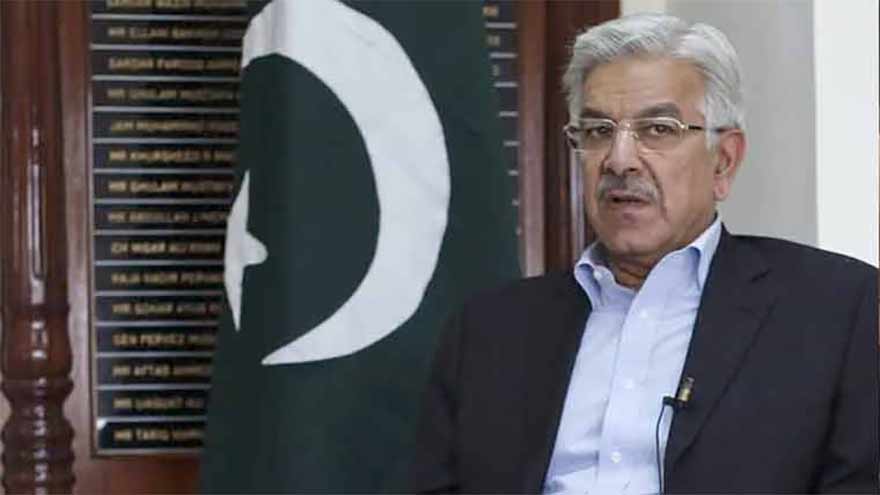
ISLAMABAD — Federal Defence Minister Khawaja Asif has raised concerns over reports that a large number of senior government officials have established permanent residences in Canada, the United States, Britain and other European countries, questioning their commitment to Pakistan despite holding key positions and receiving state privileges.
Portugal Emerging as New Destination
In a statement posted on social media platform X, Asif acknowledged that Pakistan’s bureaucracy includes competent and honest officers but claimed that many officials had made arrangements to relocate abroad while still serving in government. He noted that Portugal has emerged as the latest destination for what he described as the migration of the civil service, adding that he had raised the issue several months earlier.
The minister said the officials reportedly involved in the relocation plans have held important positions and received government patronage under successive administrations.
Allegations of Facilitated Residency
Asif further alleged that an individual who facilitated permanent residency arrangements for several wealthy bureaucrats had gone into hiding after collecting substantial sums of money. He said numerous accounts of the matter were circulating.
However, his statement did not provide detailed evidence identifying the officials concerned, the alleged facilitator or the financial transactions involved.
Questions Over Commitment to the State
The defence minister questioned whether officials who had occupied senior government positions, received national honours and benefited from state support had remained committed to Pakistan throughout their service.
He also raised concerns about whether some officials viewed government employment as a temporary arrangement before moving abroad.
Calls for Transparent Examination
The minister’s remarks have brought renewed attention to questions surrounding bureaucrats’ overseas residency plans, financial resources and obligations to the state. The matter could warrant a transparent and impartial examination of the relevant officials’ assets, sources of income, foreign investments and compliance with applicable laws.
Any allegations of financial misconduct or conflicts of interest would need to be assessed on the basis of verifiable evidence and due process.