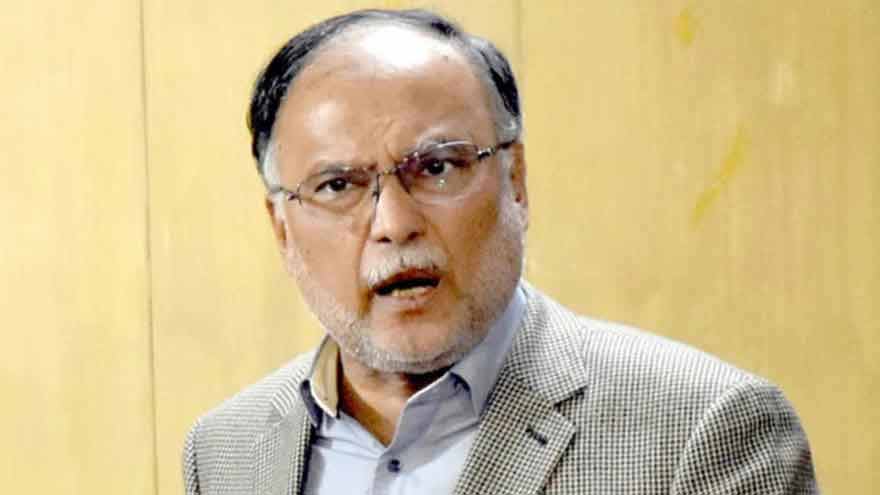
ISLAMABAD — Pakistan’s diplomatic role in promoting regional peace and upholding international law has earned unprecedented global appreciation, Federal Minister for Planning, Development and Special Initiatives Professor Ahsan Iqbal said on Wednesday, as he called for major reforms to international institutions established after the Second World War amid escalating regional conflicts.
Speaking at a conclave titled “Post US-Iran War: Peace & Economic Dividends for Pakistan,” Iqbal described the institutional structure built after World War II as presenting a picture of “defeat and desolation,” arguing that bodies created to serve specific purposes were no longer being used accordingly and had consequently become increasingly irrelevant to contemporary requirements.
The minister urged sweeping reforms to bring these institutions in line with emerging global realities.
Regional Instability Moving Closer to Pakistan
Iqbal said the region was passing through a period of crisis and conflict, with instability that had long affected parts of the Middle East — including Libya, Iraq and Syria — gradually moving closer to Pakistan. Developments involving Iran, the Gulf region and Saudi Arabia, he warned, were bringing the threat of war nearer, with potentially serious consequences for the region.
The minister also pointed to signs of political instability in India, recalling that New Delhi had undertaken what he termed an adventure in 2025, apparently calculating that Pakistan’s economic crisis would undermine its defence capabilities and weaken its national resolve, allowing India to exploit the situation.
However, he said, Pakistan’s defence institutions, under the leadership of Field Marshal Asim Munir, had responded effectively to India’s actions, securing what he described as a clear victory. Iqbal said that in nearly 80 years of Pakistan’s history, the country had not achieved a victory against India comparable to its success in the “Battle of Haq.”
Diplomatic Engagement Puts Pakistan in Global Spotlight
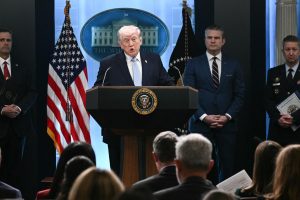
Referring to the conflict between Iran and the United States, Iqbal said Pakistan’s diplomatic engagement, particularly through its embassy, had brought the country to the centre of international attention. He said he could not recall another period in his lifetime when Pakistan had received such extensive global attention, stretching from the East to the West and from the United States to Australia.
He said the positive response had extended beyond political leaders to international media organisations and broadcasters. Al Jazeera, the BBC, CNN, British and European channels, and Japanese and Chinese media outlets had all highlighted Pakistan’s role, he noted, adding that the country’s diplomatic engagement had attracted attention across the world.
This development, he said, marked a significant departure from the longstanding tendency to view Pakistan negatively, with security-related concerns often dominating its international image. Pakistan’s efforts to promote peace in the region and uphold international law had instead received considerable appreciation, he added.
Shift in International Sentiment
Recalling his visit to the United States in July, the minister said he personally experienced the change in international sentiment during meetings with members of Congress, university presidents, businesspeople and ordinary citizens.
He said these interactions frequently began with the first five minutes devoted to acknowledging and appreciating Pakistan’s role.