The Cuban government unveiled a sweeping package of emergency measures on Friday, including a mandatory four-day work week for state enterprises, in a drastic bid to conserve fuel amid a crippling energy crisis it blames on intensified US pressure.
Emergency Measures Across Key Sectors
Vice Prime Minister Oscar Pérez-Oliva Fraga announced the measures on state television, stating the goal is to “ensure the life of our country, basic services, without renouncing development.” The plan redirects scarce fuel toward essential services and vital economic activities.
The key measures include:
- A reduction of the state sector work week to four days, from Monday to Thursday.
- Restrictions on fuel sales to the public.
- Reduced inter-provincial bus and train services.
- The closure of some tourist facilities.
- Shorter school days and a shift to hybrid learning at universities.
Officials say these steps will save fuel for food production, electricity generation, and safeguarding foreign currency-earning activities.
US Pressure Intensifies Long-Standing Crisis
The island nation of 9.6 million, under a US economic embargo since 1962, has been mired in a severe economic crisis for six years. Recent weeks have seen Washington significantly tighten the screws.
Following the capture of Venezuelan President Nicolás Maduro in early January—which halted crucial oil shipments from Cuba’s key ally—former US President Donald Trump signed an executive order last week. It authorizes potential tariffs on countries selling oil to Havana. Trump also claimed Mexico, a supplier since 2023, would cease its oil exports to Cuba.
Washington justifies its policy by citing an “extraordinary threat” to US national security from the Caribbean island, located just 150 km from Florida. Havana, in turn, accuses Trump of seeking to “asphyxiate” its economy, where power cuts and fuel shortages—already chronic in recent years—have dramatically worsened.
A Population in Survival Mode
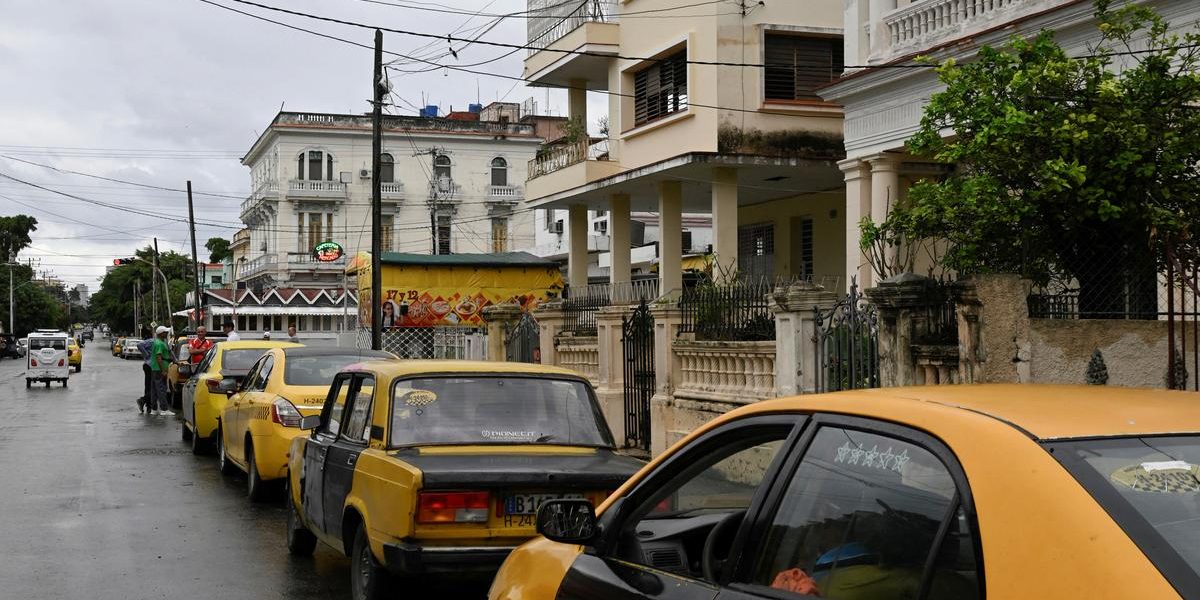
The new measures formalize a reality of scarcity that Cubans have endured for months. Reports from the capital describe citizens spending hours in line for gasoline, with public transport severely limited and blackouts lasting over 15 hours a day in some areas. The government frames its actions as necessary for national survival in the face of what it calls an economic war.
The success of these austerity measures in stabilizing the energy situation remains uncertain, as Cuba navigates one of its most severe crises in decades under relentless external pressure.