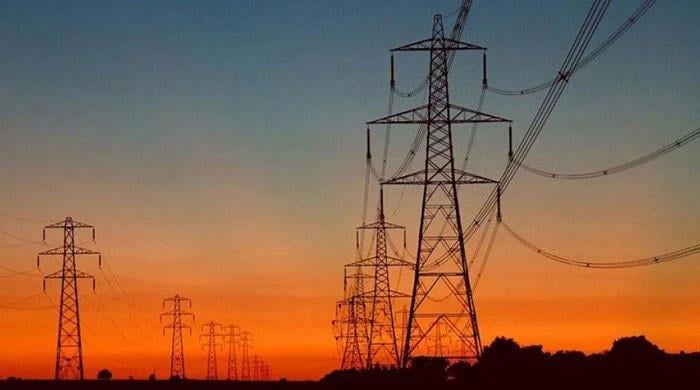
Regulator Warns of Entrenched System Failures
Pakistan’s power distribution companies (Discos) contributed approximately Rs397 billion to the nation’s circular debt during the fiscal year 2024-25, according to a damning assessment by the National Electric Power Regulatory Authority (Nepra). The regulator’s State of the Industry Report 2025 warns that systemic inefficiency has become “normal,” with losses routinely passed on to consumers through higher electricity prices.
Revenue Shortfalls and Technical Losses Fuel Crisis
The report highlights a critical revenue recovery failure, with Discos collecting only 93.5% of billed amounts. This shortfall, running into hundreds of billions of rupees, directly fuels the circular debt—a chain of unpaid bills crippling the entire power sector from fuel suppliers to generators.
Technical and commercial losses remain a primary culprit. Combined transmission and distribution losses for public-sector utilities reached 16.4%, significantly above the allowed limit of 11.77%. These losses stem from:
- Widespread electricity theft
- Outdated and poorly maintained networks
- Inefficient operational practices
Instead of absorbing these costs, utilities pass them directly to paying consumers through tariff adjustments.
Underutilized Capacity and Costly Contracts
A stark capacity underutilization problem persists. While installed generation capacity stood at 41,212 megawatts, demand peaked at just over 33,000 MW, leaving large plants idle but still requiring payment through consumer tariffs. Thermal and nuclear plants under the CPPA-G system recorded an average utilization factor of only 38.82%.
Rigid “take-or-pay” power purchase agreements have emerged as a severe financial burden. The government must pay producers even for unused electricity, with Capacity Purchase Prices (CPP) averaging Rs14.21 per unit and constituting about 82% of the consumer-end tariff. The government terminated contracts for 2,829 MW of inefficient capacity, a move Nepra estimates could save over Rs900 billion long-term.
Transmission Bottlenecks and Consumer Exodus
Transmission failures added another layer of cost. Key lines remain underused due to delays and constraints, blocking cheaper electricity from reaching consumers and forcing reliance on costlier options. Concurrently, consumer complaints surged over:
- Overbilling
- Faulty meters
- Prolonged power outages
This frustration is driving households and businesses toward alternative solutions like rooftop solar to escape high costs and unreliable supply.
Persistent Penalties and Missed Opportunities
Operational penalties continued to inflate costs. Part Load Adjustment Charges (PLAC) amounted to Rs46.4 billion, while Non-Project Missed Volume (NPMV) costs stood at Rs13.3 billion during FY2024–25. Although lower than previous years, Nepra notes these are largely avoidable through better system planning.
The report concludes that tariff reductions offered by some independent power producers (IPPs) were neutralized by the “poor performance” of major public-sector plants, including the 747 MW Guddu Power Plant and the 969 MW Neelum Jhelum Hydropower Plant. This inefficiency prevented savings from being fully passed to consumers, perpetuating the cycle of high tariffs and mounting debt.