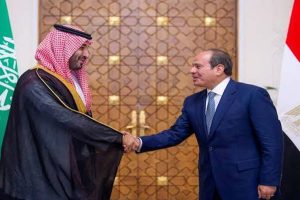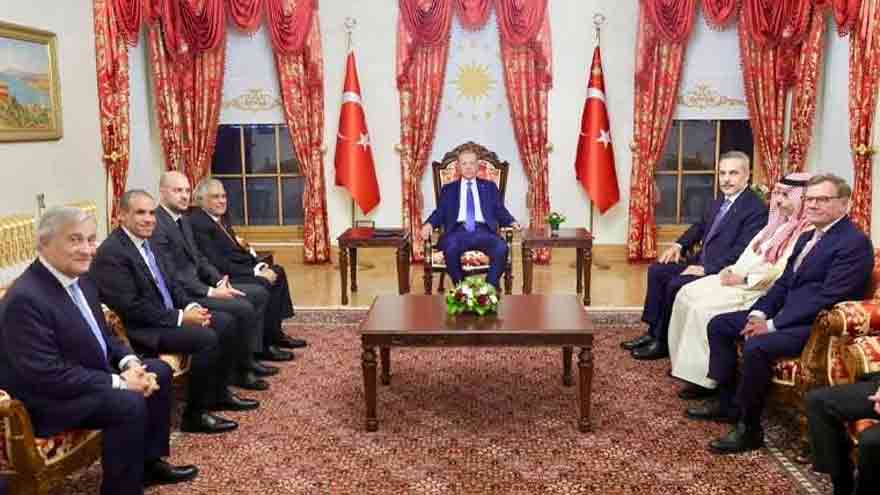
Foreign ministers from eight countries, including Pakistan, have jointly called for dialogue, diplomacy and de-escalation as the pathway to resolving a growing web of regional conflicts, according to a statement issued by Pakistan’s Foreign Office.
The ministers met in Istanbul on 23 October 2026, bringing together the so-called R4 group — Turkiye, Egypt, Pakistan and Saudi Arabia — alongside the foreign ministers of France, Germany, Italy and the United Kingdom.
A Broad Agenda of Regional Crises
The gathering addressed an unusually wide range of flashpoints, reflecting the interconnected nature of the security challenges facing the region and beyond. According to the statement, discussions covered:
- The US/Israel-Iran conflict and the Israeli-Palestinian conflict, including the need for a negotiated two-state solution
- Houthi militia attacks against Saudi Arabia and the Government of Yemen, which the ministers described as appalling
- The safety and freedom of navigation, with attention to heightened tensions in the Strait of Hormuz and Bab El Mandeb
- Escalating tensions in the Black Sea
Commitment to Negotiated Solutions
The ministers expressed their commitment to continue contributing to diplomatic efforts aimed at promoting peace and stability in the region and beyond, while addressing the security, economic and trade implications of these issues.
Emphasizing the need to find lasting negotiated solutions to all outstanding conflicts in accordance with relevant UN Resolutions, the ministers agreed to continue the dialogue in this format with a view to preventing conflicts and advancing peace and stability in the region.
A Format Built for Prevention
The decision to sustain the eight-nation talks signals a deliberate effort to institutionalize consultation across a bloc that spans Europe, the Middle East and South Asia. By linking European powers with key regional states, the format appears designed to keep channels open as multiple crises — from the Red Sea shipping lanes to the Black Sea — threaten to spill across borders and disrupt global trade.
The joint statement offered no specific timelines or concrete measures, but the emphasis on prevention and continued engagement marks the meeting’s central message: that escalation, not negotiation, carries the greater risk.