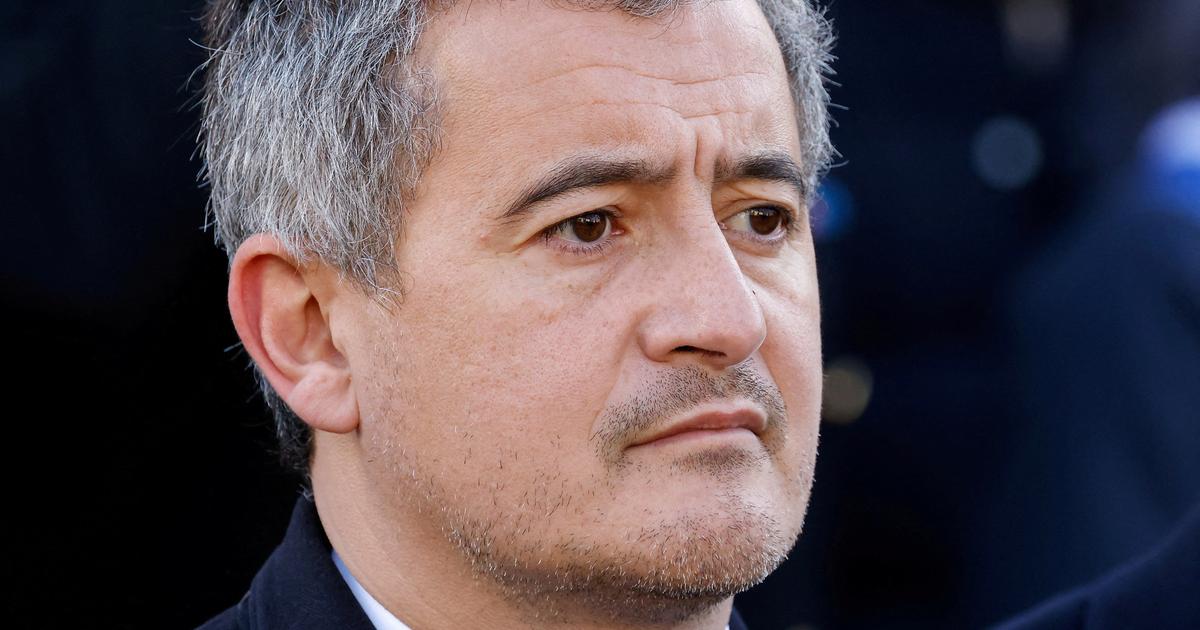
France’s Justice Minister Gérald Darmanin has unveiled sweeping reforms to the country’s prison system, targeting drug trafficking, corruption, and security. The new measures include the creation of high-security prisons for the most dangerous drug traffickers, the establishment of a dedicated “prison police” force, and significant investments in inmate rehabilitation and oversight.
Speaking at the National School of Penitentiary Administration near Paris, Darmanin outlined six major changes aimed at modernizing France’s penal system. One of the key initiatives involves separating prisoners based on their level of danger rather than their legal status. Starting in March, the 100 most dangerous drug traffickers will be transferred to high-security facilities, with €4 million allocated for the project.
By 2026, two new high-security prisons will be built to house France’s 600 most dangerous drug traffickers. These facilities will be designed to eliminate the smuggling of drugs and mobile phones, as well as threats against prison staff. The minister emphasized that these measures are critical to curbing the influence of organized crime within the prison system.
In a groundbreaking move, Darmanin announced the creation of a new “prison police” force, which will become the country’s third-largest security force by 2026. Officers will be granted police powers currently unavailable to prison staff, enabling them to enhance security, monitor inmates, and assist in the use of electronic restraints.
Addressing concerns about corruption, the minister also revealed plans to establish an independent Inspector General of Penitentiary Administration. This body will investigate corruption within prisons, ensuring greater accountability and transparency.
The reforms also focus on improving conditions for inmates. Darmanin announced the creation of 3,000 new semi-liberty spaces, allowing prisoners to be housed according to their risk level rather than their legal status. Additionally, the government will implement measures to better support the rehabilitation and supervision of released inmates.
Darmanin highlighted that 25% of France’s prison population consists of foreign nationals. Under the new reforms, these individuals will be repatriated to serve their sentences in their home countries, regardless of whether they are from European or non-European nations.
These ambitious reforms aim to address long-standing issues within France’s prison system, particularly the challenges posed by drug trafficking and corruption. Darmanin described the changes as a “Copernican revolution” for the penal system, signaling a transformative shift in how France approaches incarceration and rehabilitation.
The measures reflect the government’s commitment to creating a safer, more efficient, and humane prison system while tackling the root causes of crime and recidivism.