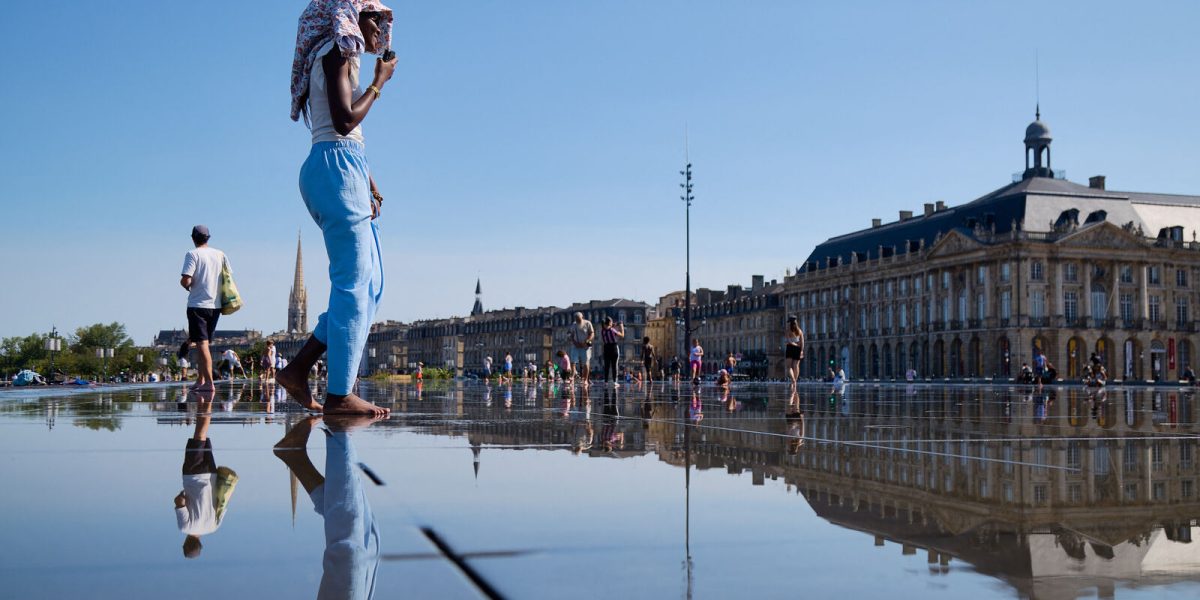
Words seem inadequate to describe what France just lived through. Exceptional. Unprecedented. Off the charts. Historic. Perhaps all of these at once. The summer of 2026 will be etched into the nation’s climate annals as a season defined by three punishing heatwaves, including the most intense ever recorded and the longest—tied with the infamous summer of 1983. Thousands of daytime and nighttime temperature records fell, while rainfall totals remained desperately low. By every measure, it was, by far, the hottest summer France has ever experienced, surpassing the brutal benchmarks set in 2003 and 2022.
“The heat dome was really centered on France. If it had wanted to land on us, it couldn’t have done it any better,” summarized Françoise Vimeux, research director at the French National Research Institute for Sustainable Development (IRD). Her stark assessment underscores a season where meteorological anomalies became the new normal, pushing infrastructure, agriculture, and public health to their limits.
A Season of Unrelenting Heat and Broken Records
The summer’s toll is staggering. Across the country, from Bordeaux to Strasbourg, cities shattered long-standing temperature records. The mercury soared not only during the day but also at night, offering little respite and amplifying health risks, particularly for vulnerable populations. The lack of rainfall compounded the crisis, leaving soils parched and rivers at historically low levels.
Key indicators of the summer’s severity include:
- 52 days of heatwaves across various regions, a figure that dwarfs previous years.
- Three distinct heatwaves, one of which set a new record for intensity, while another matched the longest duration ever seen in France.
- Thousands of local records broken for both maximum daytime and minimum nighttime temperatures.
- Exceptionally low rainfall, exacerbating drought conditions and increasing wildfire risk.
Climate Experts Warn: This Is Only the Beginning
The summer of 2026 is not an outlier but a harbinger. Climatologists warn that with global greenhouse gas emissions continuing to rise, such summers will become more frequent and more severe. “The climate of the past is gone,” one expert noted, reflecting a growing consensus that France must accelerate its adaptation strategies, from urban planning and building codes to water management and agricultural practices.
The data paints a clear picture of a rapidly warming nation. The comparison to 2003—a summer that caused tens of thousands of deaths across Europe—is particularly sobering. That this year’s temperatures exceeded those levels so decisively signals a dangerous escalation in the climate crisis.
Public Health and Infrastructure Under Strain
The prolonged heat placed immense strain on France’s healthcare system, with hospitals reporting spikes in heat-related illnesses. Nighttime temperatures, which often failed to drop below 25°C in urban areas, prevented human bodies from recovering, a factor linked to increased mortality during heatwaves. Meanwhile, the drought stressed water supplies, leading to restrictions in dozens of departments and raising concerns about the long-term viability of certain crops.
As the school year begins, forecasters are already watching a new surge of heat building in the south, a reminder that the season’s end on the calendar does not mean relief. The summer of 2026 may be over, but the questions it raises about France’s preparedness for a hotter future are just beginning to be asked.