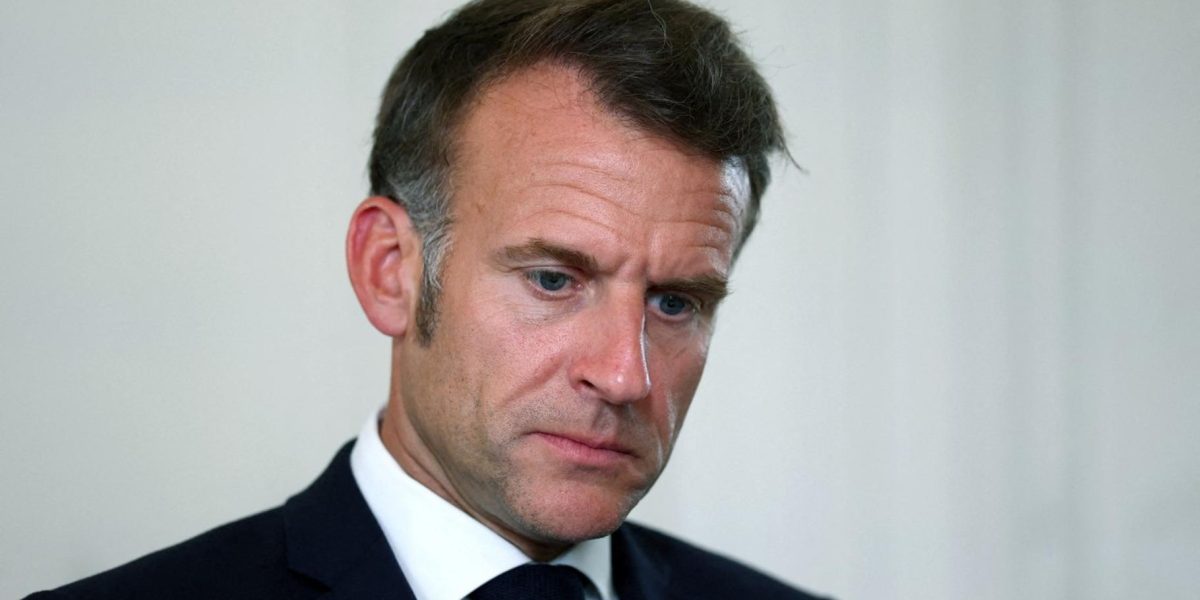
In a significant blow to President Emmanuel Macron, France’s Constitutional Council has censured a landmark law that would have prohibited children under 15 from accessing social media platforms. The decision, published on Friday, August 14, marks a major defeat for one of the president’s final legislative battles at the Élysée.
The Council ruled that Article 1 of the law “undermines freedom of expression and communication,” stating that the infringement is “not adapted, necessary, and proportionate to the objective pursued.” The ruling comes after months of political investment by Macron, who had made the protection of minors online one of his three priorities for the current year.
Legal Challenge from Left-Wing Lawmakers
The institution had been seized in late July by Socialist and La France Insoumise deputies. While acknowledging “the constitutional requirement to protect the best interests of the child,” the Council highlighted that the broad prohibition “is likely to apply to online communication services whose risks to the health and safety of minors are not established.”
The legislation, which was scheduled to take effect on September 1, would have barred minors from major platforms like TikTok, Snapchat, X, and Instagram. It also targeted social features on popular sites such as YouTube, messaging services including WhatsApp and Messenger, and certain online video games. Although the law provided exceptions for online encyclopedias and educational or scientific directories, the Council deemed these exceptions too “limited.”
Privacy Concerns Over Age Verification
The government had sought to address growing concerns about anxiety, depression, sleep disorders, and online harassment among young people—issues raised by numerous child protection associations. A July study by Arcom, the audiovisual and digital regulator, found that more than two-thirds of children aged 10-14 supported the ban.
However, the Council also expressed serious concerns about the privacy implications of implementing an age verification system for all. The law required platforms to establish one or more age verification mechanisms at registration but failed to specify technical implementation details. The Council ruled that “failing to determine the conditions and limits” of age verification, “the legislator has not provided the legal guarantees” necessary to protect the right to privacy.
Legislative Journey and Final Version
Macron’s Determination Remains “Total”
Despite the setback, the president shows no signs of backing down. Macron, who has championed the issue since spring 2024, has tasked Prime Minister Sébastien Lecornu to work on a revised version “as soon as possible,” taking into account the Constitutional Council’s decision and the European framework. According to Élysée, the president’s “determination” to see this reform through “by spring 2027 remains total.”
The ruling underscores the ongoing tension between protecting minors online and preserving fundamental rights in the digital age. As France grapples with this balance, the decision sets a significant precedent for how European nations approach age restrictions on social media platforms.