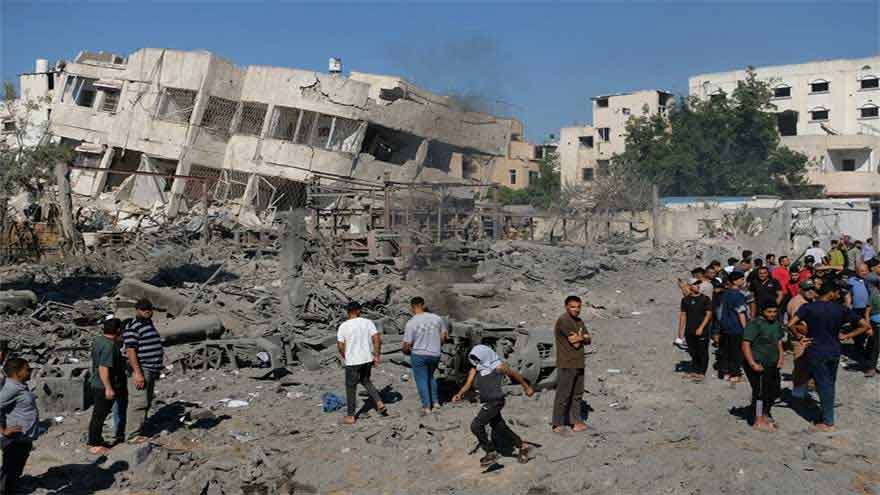
The humanitarian situation in Gaza has reached a devastating new low, with the United Nations reporting that 94 percent of the enclave’s population is now without a roof over their heads. The stark figure underscores the scale of destruction and the severe limitations on recovery efforts amid ongoing conflict.
Four in Five Households Lack Adequate Shelter
Speaking at the United Nations, spokesperson Stephane Dujarric said that four out of every five households in Gaza are living without adequate shelter. The shortage extends beyond physical structures, with many shelters facing critical gaps in fuel, energy, and basic household items.
Dujarric warned that restrictions on humanitarian aid are directly undermining people’s ability to meet even the most fundamental needs. These include sleeping, cooking, bathing, eating, storing water, maintaining adequate lighting, and coping with extreme heat and cold.
Civilian Casualties Continue as Recovery Efforts Stall
The UN Office for the Coordination of Humanitarian Affairs continues to receive reports of Palestinian civilians being killed or injured in Israeli airstrikes, shelling, and gunfire. Dujarric noted that the bodies of 50 people, including 19 children, were recovered from rubble on August 21 and buried — victims who had been killed more than two years earlier.
Efforts to clear debris and recover remains are being severely hampered by restrictions on the entry of heavy machinery, spare parts, lubricants, and other essential equipment. Access limitations to large areas of Gaza are further complicating an already dire recovery operation.
Aid Restrictions Block Essential Supplies
The UN has repeatedly called for unimpeded humanitarian access to Gaza. Current restrictions are preventing the delivery of supplies that would allow families to restore basic living conditions. Without fuel, energy, and construction materials, the prospect of rebuilding even temporary shelter remains remote.
Humanitarian organizations warn that the combination of destroyed housing, limited aid, and ongoing violence is creating a catastrophic cycle. Each delay in clearing rubble or delivering supplies pushes more families into deeper vulnerability.
Mounting Pressure for Unrestricted Access
The latest UN assessment adds urgency to international calls for a ceasefire and the opening of all crossings into Gaza. Aid agencies stress that without a significant and sustained increase in humanitarian access, the shelter crisis will continue to worsen, leaving nearly the entire population exposed to the elements and ongoing hostilities.