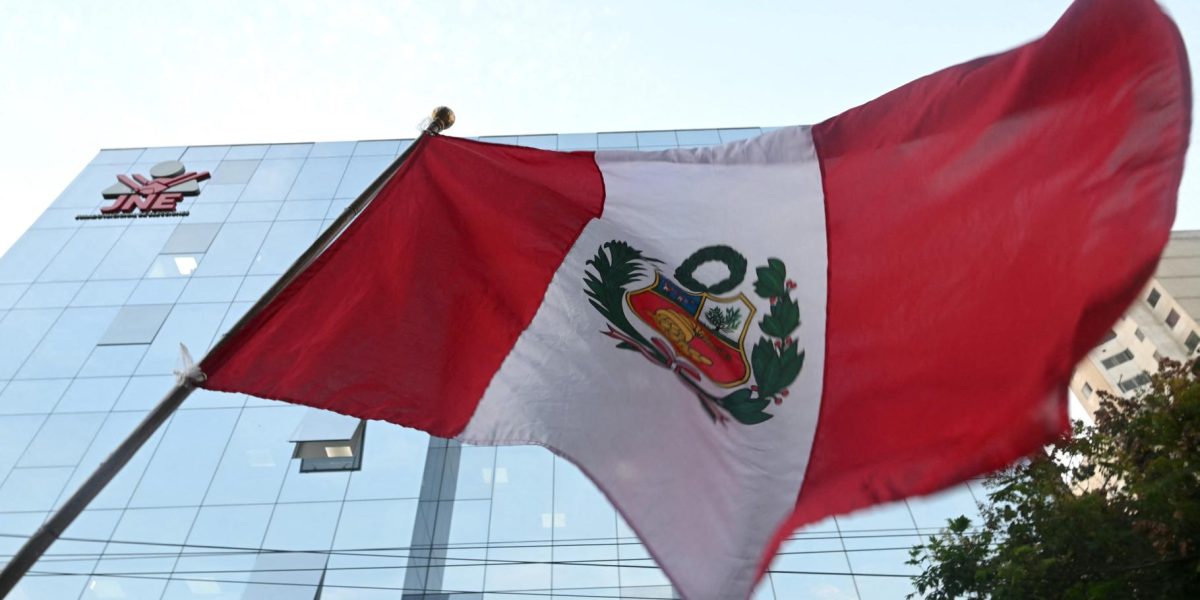
A left-wing candidate bearing the names of two of the 20th century’s most notorious dictators has won a municipal election in an isolated village in the Peruvian Andes, according to the National Office of Electoral Processes.
Hitler Mussolini Simeon Flores, representing the Ahora Nacion party, secured 229 votes against 204 for far-right candidate Gaspar Osorio, out of a total of 663 ballots cast, the electoral authority reported. The 45-year-old transport company owner will officially become mayor of Queropalca on January 1, 2027.
A Name That Draws Global Attention
Queropalca, located in the Andean region of Huanuco in northeastern Peru, is home to fewer than 1,000 residents. Yet the election of a candidate named Hitler Mussolini has attracted “unprecedented international attention” to this remote corner of Latin America, the BBC noted in its coverage.
Local media outlets, including Peru21, were equally struck by a candidate carrying the names of “two of the most well-known figures of European totalitarian regimes of the 20th century.”
A Regional Naming Phenomenon
First names such as Hitler, Lenin, Stalin, and Mao are occasionally found in South America, particularly in rural areas. While this may seem surprising from a European perspective, it is explained by the fact that some parents draw on historical figures’ names when naming their children without fully understanding the person or their ideology.
This is not an isolated case in Peru:
- In 2021, a centrist physician named Hitler Saavedra Casternoque was elected to the Peruvian Parliament.
- In 2018, Hitler Alba Sanchez won the mayoral race in the Andean district of Yungar after campaigning as “the nice Hitler.”
According to the BBC, Alba Sanchez defeated an opponent named Lenin Vladimir Rodriguez Valverde — a contest between two candidates bearing the names of historical figures that once stood on opposite sides of the Cold War divide.
The phenomenon reflects a broader cultural reality in parts of Latin America, where historical names can carry symbolic weight or simply sound distinctive, often detached from the ideologies they originally represented.