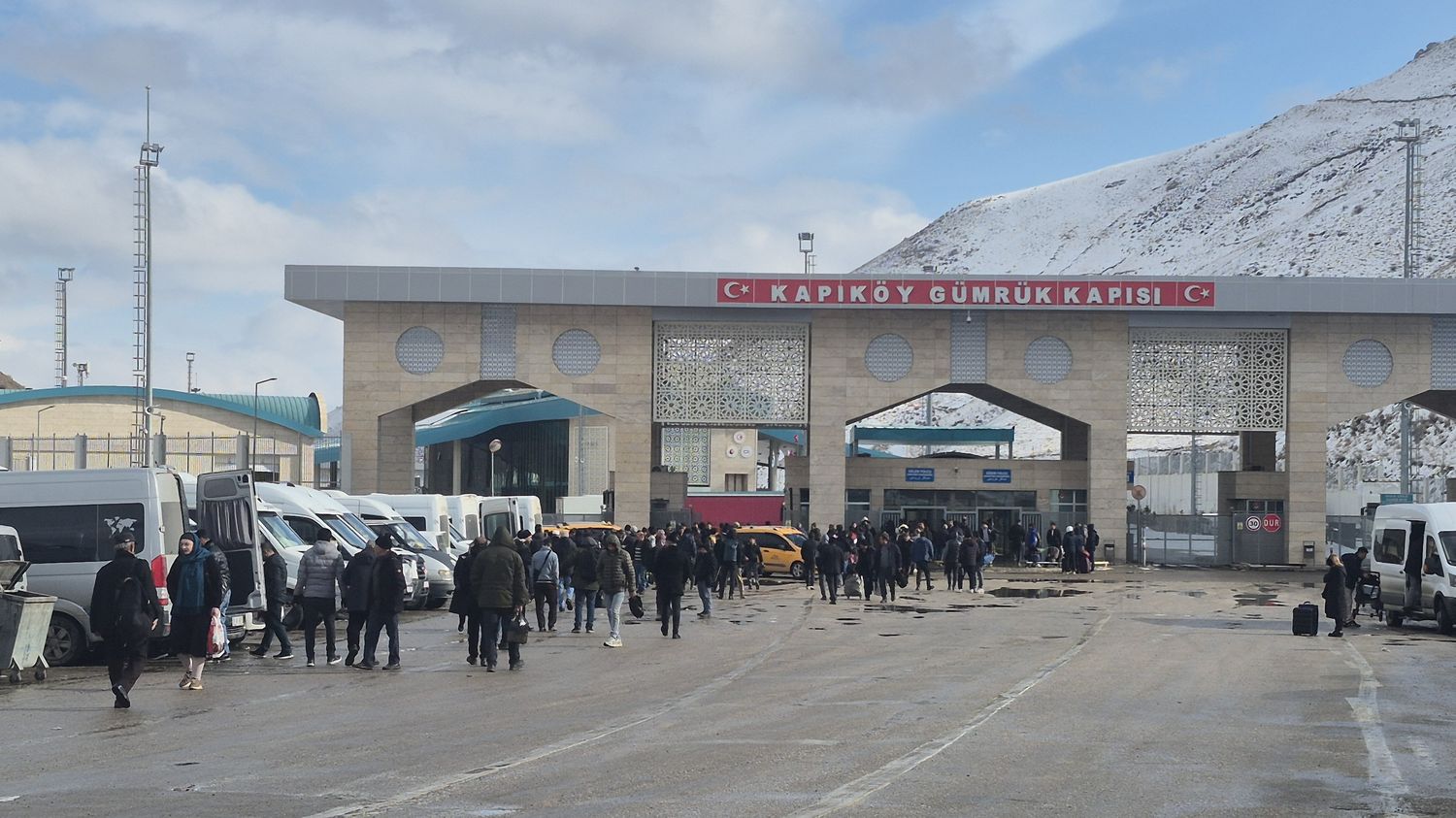
At the Kapiköy border crossing between Iran and Turkey, exhaustion and fear are etched into the faces of hundreds of new arrivals. They come seeking temporary work or permanent escape, carrying with them harrowing accounts of violence and a desperate hope for external intervention to end decades of clerical rule.
Eyewitness to Atrocities
One young man from Rasht, nursing a bullet wound in his shoulder treated secretly to avoid arrest, described a scene of indiscriminate killing. “They execute. They shoot in the head. They killed a 7-year-old girl. I saw it with my own eyes,” he said, his voice trembling. “They kill everyone in Iran. And the people who are alive, their soul is dead.” He recounted a horrific incident at Rasht’s bazaar, where he alleged security forces blocked three exits during a fire and shot at people fleeing the flames.
A “Madness” Targeting Medics
The regime’s brutality extends to those offering aid, according to a doctor who splits her time between Iran and Turkey. “They arrest doctors! They punish them because they help people,” she stated, calling the situation “such a madness.” She explained that hospitals cannot keep wounded protesters for more than a day or two for fear security forces will raid the wards to make arrests, sometimes shooting patients on-site.
Hope Pinned on External Intervention
With domestic resistance heavily outgunned, many pin their hopes on foreign powers. “We love Trump. He will help us. We are waiting for him,” one Iranian told reporters, reflecting a widely held, if uncertain, expectation of American action. Ahmed, from Urmia, expressed a common belief: “The majority of us think that the United States, Israel, and the Europeans have decided to bring down this government, the Islamic Republic.”
A Future Without “Religious Government”
While united in wanting the regime’s end, visions for the future vary. Some mention Reza Pahlavi, the exiled son of the former Shah, as a potential figurehead. Others, like an agronomist who gave the name “Violette,” want a leader from within Iran. All agree on one principle, as Ahmed put it: “We do not want a religious government.”
Violette voiced the pervasive sense of helplessness and the urgent plea to the outside world: “Without external help it’s impossible. Because they have weapons and the people have nothing… The people in Iran cannot do anything. But you, who live elsewhere, you can be our voice.”