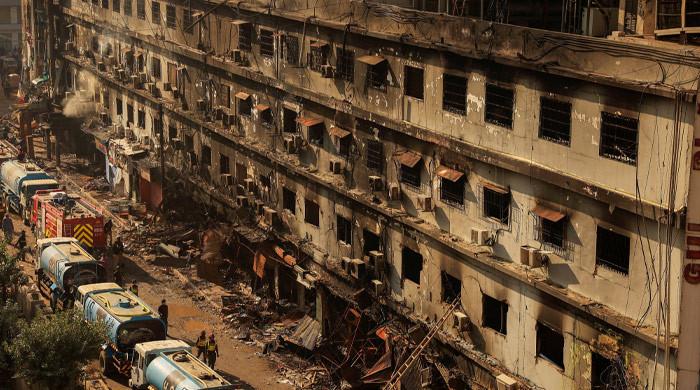
Karachi, Pakistan’s sprawling metropolis, is grappling with a devastating fire crisis, with official records revealing over 2,400 fire incidents reported in 2025 alone. This alarming frequency underscores persistent failures in fire safety enforcement, emergency preparedness, and meaningful accountability across the city’s institutions.
A Predictable Cycle of Disaster and Denial
The primary firefighting responsibility lies with the Karachi Metropolitan Corporation Fire Brigade, supported by Rescue 1122 and, in major incidents, agencies like the Karachi Port Trust and Pakistan Navy. Despite this multi-departmental involvement, a predictable and tragic pattern follows each major blaze. Allegations of delayed fire brigade response are routinely met with official denials and distancing. The narrative typically concludes with the formation of an inquiry committee, registration of a police case (FIR), and promises of strict action, yet tangible accountability remains conspicuously absent.
The Gul Plaza Tragedy and a Decade of Devastation
The recent Gul Plaza fire on MA Jinnah Road stands as one of Karachi’s most devastating incidents in the past decade. The blaze, which erupted on January 20, 2026, engulfed the building, requiring 39 hours to control. To date, 28 bodies have been recovered, with search operations ongoing for over 70 missing persons, leaving families in anguish.
This inferno is not isolated. Karachi has witnessed numerous major fires over the past ten years:
- December 2023: Arshi Shopping Mall fire killed four.
- November 2023: RJ Shopping Mall fire claimed 11 lives.
- April 2023: A factory fire in New Karachi killed four firefighters during a collapse.
- 2021: A Korangi factory fire resulted in 16 worker deaths.
- 2015: Regent Plaza fire killed 11.
- 2012: The deadliest incident at a Baldia Town factory claimed 259 lives.
Each tragedy prompted official vows for stricter safety enforcement, yet another major fire inevitably followed, raising serious questions about the effectiveness of these measures.
Critical Shortcomings and a Lack of Accountability
Experts highlight critical operational flaws, including an over-reliance on water instead of essential firefighting foam for flammable material fires. Furthermore, accountability rarely extends beyond private stakeholders. While building owners or staff may be named in cases, government institutions—including the fire brigade, town administrations, and the Sindh Building Control Authority responsible for approvals and inspections—face little to no legal or administrative consequences.
Fire officials reveal a stark infrastructural deficit: Karachi, with an estimated population of 35 million, is serviced by only 28 fire stations, a number widely condemned as grossly insufficient.
A Call for Structural Reform
The data shows a disturbing consistency, with the highest number of incidents in October (278), November (265), and March (256). Experts warn that without urgent structural reforms—including modern firefighting techniques, foam-based systems, strict enforcement of safety laws, and genuine accountability for both private and government entities—Karachi will continue to burn while official promises remain confined to reports and press statements. The city’s fire crisis is a stark testament to systemic failure, demanding immediate and comprehensive action to prevent further loss of life and property.