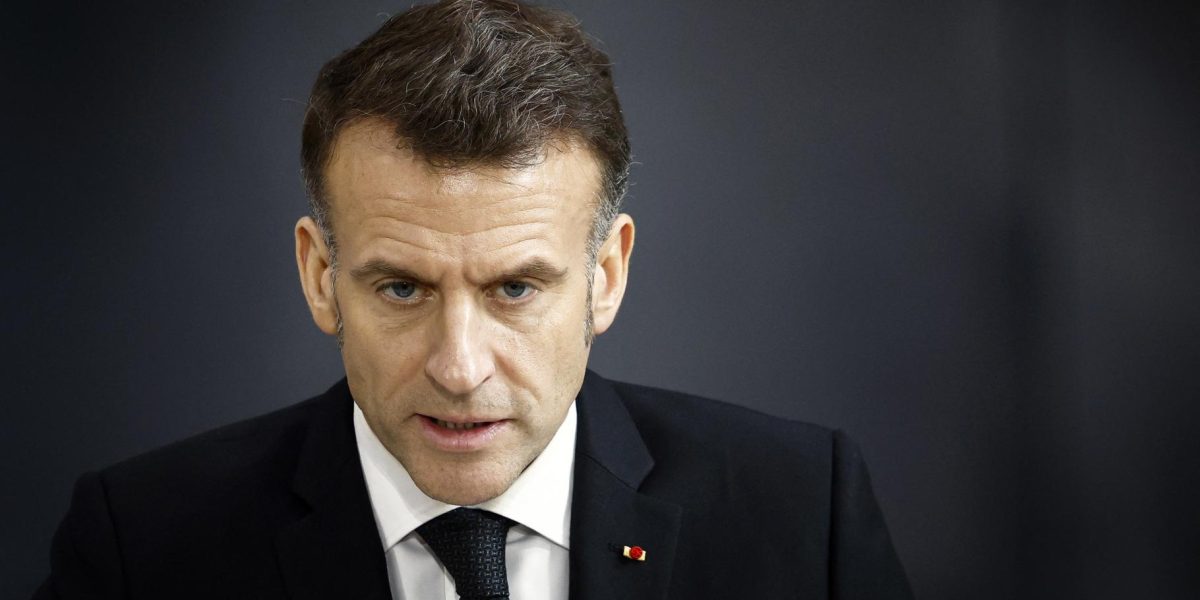
French President Emmanuel Macron arrived in Cyprus on Monday for a high-stakes visit aimed at demonstrating solidarity with the European Union member state, which has found itself on the frontline of regional tensions following missile and drone attacks linked to the Iran conflict.
A Strategic Mission of Reassurance
The French presidency stated the visit’s core objective is to “bear witness to France’s solidarity” with Cyprus. The island nation, home to just over 1.3 million people, has seen its airspace disrupted and security threatened since the outbreak of war. Macron’s agenda includes meetings in Paphos with Cypriot President Nikos Christodoulides and Greek Prime Minister Kyriakos Mitsotakis to “strengthen security around Cyprus and in the Eastern Mediterranean with our European partners, with a view to contributing to de-escalation in the region.”
Cyprus: A Pivotal EU Player Under Pressure
The timing of the visit underscores Cyprus’s dual role. It currently holds the rotating presidency of the Council of the EU, placing it at the heart of European diplomacy. However, its geographic proximity to Lebanon and Israel has made it vulnerable to the Middle East conflict. Recent events, including an attack on a British airbase on the island, have heightened anxieties and forced the rescheduling of diplomatic meetings.
In response, France has already deployed military assets, including the frigate Languedoc and anti-aircraft resources, to waters off Cyprus. The broader French carrier strike group, led by the Charles de Gaulle, is also operating in the Mediterranean. French officials consistently emphasize that these moves are part of a “strictly defensive” posture.
Broader Regional Security and Navigation on the Agenda
Beyond immediate security concerns, Macron aims to highlight the critical need to safeguard freedom of navigation from the Red Sea to the Strait of Hormuz, referencing the EU’s maritime operation Aspides. The blockade of key shipping routes by Iran has disrupted global hydrocarbon supplies, impacting economies worldwide.
Another priority is coordinating efforts to ensure the safety of European citizens in the region and assisting repatriation operations. An estimated 400,000 French nationals live or are traveling in affected Middle Eastern countries, with significant ties to Lebanon.
Symbolism and Domestic Criticism
While the visit carries heavy symbolic weight for EU unity, it has not been without domestic criticism. Former Prime Minister Dominique de Villepin questioned the timing, suggesting the president should be in Paris coordinating the national response during a global crisis. Villepin warned of the risks of an “escalation” and a widening war, echoing concerns held by parts of the international community.
President Macron’s trip to Cyprus represents a tangible effort to anchor a EU ally facing direct security challenges, while navigating complex diplomatic and military calculations in a volatile region.