Israeli Leader Makes Bold Claims as Middle East Conflict Enters Third Week
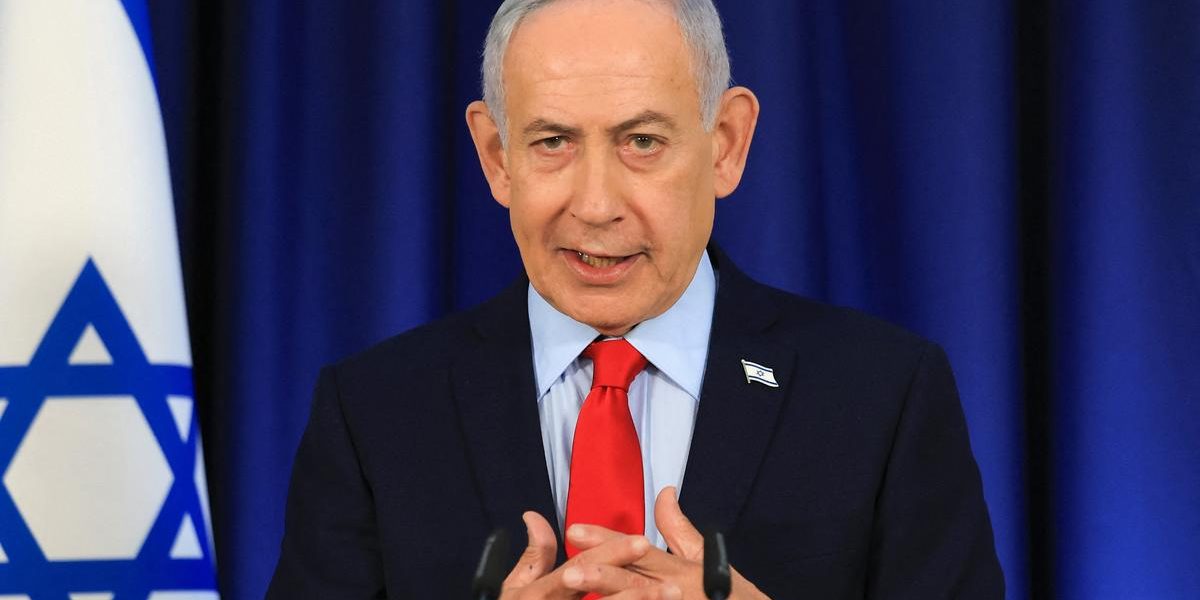
Israeli Prime Minister Benjamin Netanyahu made a dramatic declaration Thursday evening, claiming that Iran has been stripped of its ability to enrich uranium and produce ballistic missiles after 20 days of intense warfare. The announcement came during a televised press conference as the conflict between Israel, the United States, and Iran continues to escalate across the Middle East.
“After 20 days, I can announce to you that Iran today no longer has the capacity to enrich uranium, and it no longer has the capacity to produce ballistic missiles,” Netanyahu stated. “We continue to shatter these capabilities. We will crush them completely, until nothing but ashes remain.”
Wider Claims of Iranian Collapse
The Israeli leader expanded on his assessment of Iran’s military degradation, asserting that the Islamic Republic is being “decimated” in the ongoing conflict. “We are winning and Iran is being decimated,” Netanyahu claimed, detailing extensive damage to Iran’s arsenal.
“Iran’s stockpile of missiles and drones is undergoing massive degradation. And it will be destroyed. Hundreds of their launchers have been destroyed. Their missile stocks are being heavily hit and the same goes for the industries that produce them,” he added.
Netanyahu also suggested he sees “cracks” appearing within the Iranian leadership and “on the ground,” predicting the war would end “much faster than people imagine.”
Denials and Diplomatic Tensions
The Israeli prime minister firmly denied allegations that Israel had “dragged” the United States into the conflict with Iran, calling such claims “false information.”
“Does anyone really believe that one can dictate behavior to President Trump?” Netanyahu questioned rhetorically, addressing speculation about the U.S.-Israel relationship in the conflict.
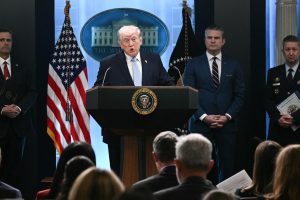
Separately, U.S. President Donald Trump confirmed he had asked Netanyahu to halt attacks on Iranian energy infrastructure. “Yes, that’s true. I told him not to do that, and he won’t do it anymore,” Trump stated during an Oval Office appearance alongside Japanese Prime Minister Sanae Takaichi.
Regional Escalation and Humanitarian Impact
The conflict continues to expand beyond the initial combatants, with significant developments across the region:
- Lebanon Crisis: Israeli strikes have killed over 1,000 people in Lebanon since fighting began with Hezbollah on March 2, according to the Lebanese Health Ministry. A major power plant in southern Lebanon was knocked out of service Thursday after Israeli bombardment.
- Strait of Hormuz: Netanyahu warned that Iranian attempts to “blackmail the world” by blocking the critical Strait of Hormuz “will not work,” claiming Israel is assisting U.S. efforts to reopen the vital waterway.
- Qatar Attack Fallout: Qatar’s prime minister condemned Iranian attacks on the Ras Laffan gas facility, warning of “major repercussions on global energy supplies” and rejecting Tehran’s claims that it only targets American interests.
International Response and Economic Fallout
The global community continues to grapple with the conflict’s expanding consequences:
- European Position: Six nations including France, Germany, and the UK condemned Iranian attacks on civilian energy infrastructure and expressed readiness to help secure the Strait of Hormuz.
- UN Warning: Secretary-General Antonio Guterres declared it “more than time to stop this war,” warning it risks becoming “completely uncontrollable” with immense civilian suffering and global economic repercussions.
- Economic Impact: The International Energy Agency confirmed the release of strategic oil reserves has begun, with 426 million barrels being made available to stabilize markets. The European Central Bank revised its forecasts, anticipating higher inflation and lower growth due to energy price spikes.
- Food Security: WTO Director-General Ngozi Okonjo-Iweala warned the conflict “threatens global food security” through shipping disruptions and rising fertilizer costs.
Military Developments and Accusations
Additional military actions and accusations emerged Thursday:
- Israel claimed its air force conducted major strikes against Iranian naval infrastructure in the Caspian Sea, destroying dozens of military vessels.
- Russia accused Israel of a “targeted” attack that injured two RT journalists in Lebanon, with Moscow summoning the Israeli ambassador.
- The U.S. approved over $16 billion in weapons sales to Kuwait and the United Arab Emirates, two Gulf nations affected by the conflict.
- Washington is considering temporarily lifting sanctions on Iranian oil at sea to help stabilize global prices, according to Treasury Secretary Scott Bessent.
As the conflict enters its third week, Netanyahu’s bold declarations about Iran’s military capabilities represent the most specific claims yet about the war’s objectives and progress, even as humanitarian costs mount and regional instability spreads.