Operation Raddul Fitna-1 Concludes with Significant Blow to Militant Networks
Pakistan’s security forces have successfully concluded a major counter-terrorism offensive in Balochistan, eliminating at least 216 terrorists, the military’s media wing announced. Operation “Raddul Fitna-1” involved coordinated, intelligence-driven engagements across the province.
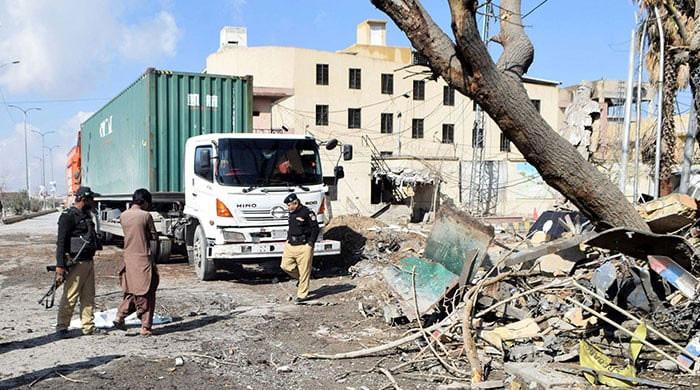
The Inter-Services Public Relations (ISPR) stated that the operations were a direct response to a series of attacks by India-sponsored terrorist elements, specifically naming the Balochistan Liberation Army (BLA), also referred to as “Fitna al-Hindustan.” These groups targeted innocent civilians in multiple districts, including Quetta, Mastung, and Gwadar, on January 31, 2026.
High Cost of Counter-Terrorism Efforts
The significant operational success came at a steep human cost. According to the ISPR statement, 22 security and law enforcement personnel were martyred during the engagements. Tragically, 36 innocent civilians, including women and children, also lost their lives in the violence.
“Their courage, professionalism, and unwavering commitment reflect the highest traditions of service. The Nation honours their sacrifice and stands in solidarity with the families of all martyrs,” the ISPR said, paying homage to the fallen.
Phased Operations and International Backlash
The military’s media wing detailed that operations began in Panjgur and the outskirts of Harnai district on January 29 after verified intelligence confirmed an imminent terrorist threat. An initial phase resulted in the elimination of 41 terrorists affiliated with what Pakistan describes as “Indian proxy networks.”
The recent terrorist attacks in Balochistan drew widespread international condemnation. Countries and bodies including the United States, United Kingdom, Saudi Arabia, the European Union, and the United Nations Security Council issued statements denouncing the violence.
Degrading Terrorist Infrastructure
The ISPR emphasized that the broader series of intelligence-based operations successfully degraded the leadership, command-and-control structures, and operational capabilities of the terrorist networks. Operations targeted sleeper cells through sustained combing and sanitization missions.
“Through meticulous planning, actionable intelligence, and seamless joint execution, Pakistan’s security forces and law enforcement agencies, with the support of intelligence agencies under Operation Raddul Fitna 1 responded with precision and resolve,” the statement read.
Continued Resolve Against Terrorism
Reaffirming the state’s commitment, the ISPR concluded that the Pakistan Armed Forces remain steadfast in combating terrorism under the National Action Plan (NAP). It vowed that counter-terrorism operations would continue with full determination until the complete elimination of terrorist threats to the nation’s security.