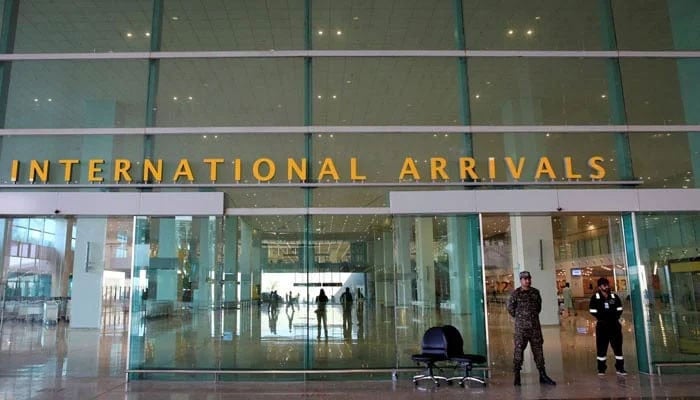
ISLAMABAD: Pakistan has intensified screening protocols at airports nationwide following the World Health Organisation’s (WHO) declaration of the Ebola outbreak in Congo and Uganda as a global health emergency. The move comes as authorities rush to erect a defensive barrier against the potential importation of the deadly virus.
Federal Health Minister Mustafa Kamal has directed authorities to implement strict precautionary screening at all points of entry. According to a statement from the Ministry of National Health Services, the measures are designed to protect the public from epidemics, even though the immediate risk to Pakistan is assessed as very low.
Proactive Surveillance, Not Travel Bans
While stepping up monitoring, Pakistan has not recommended any travel restrictions to or from the affected African nations. Instead, the strategy relies on vigilant surveillance and diagnostic readiness. Travellers intending to visit African countries have been advised to review relevant travel and health guidelines before departure.
The ministry confirmed that no case of Ebola has ever been reported in Pakistan or its neighboring countries. Officials attribute the low risk profile to limited travel links with the affected states. However, they stressed that complacency is not an option.
Preparedness and Diagnostic Capacity
Health authorities have placed the Ministry of Health, the National Institute of Health, and all affiliated institutions on high alert. The government has confirmed that Pakistan possesses the laboratory capacity to diagnose Ebola, a critical component of the containment strategy.
“The Ministry of Health and the National Institute of Health are continuously monitoring the situation in coordination with the WHO,” Minister Kamal stated. He emphasized that preventive steps are being taken proactively in view of the recent spread of the virus.
In a directive to provincial and border health services, authorities have mandated strict vigilance. The national health apparatus is currently ensuring that all necessary arrangements and preparedness measures are in place to respond to any potential emergency, coordinating closely with international health bodies to track developments in real-time.