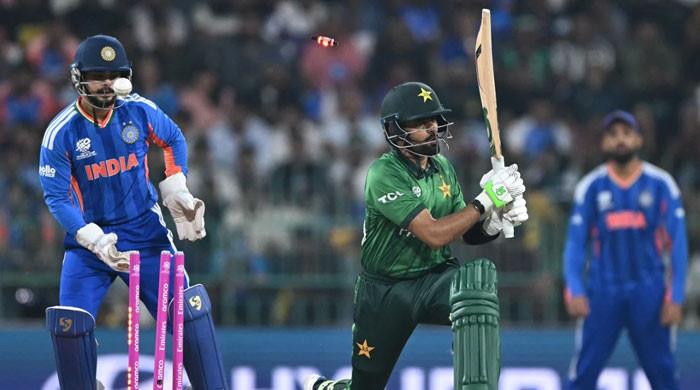
Colombo Collapse Highlights Deepening Rivalry Disparity
The Pakistani cricket team’s 61-run defeat to India in the T20 World Cup in Colombo marks its fourth loss to the traditional rival in just four months. This latest setback, where Pakistan was bowled out for 114 chasing 176, has plunged fans into despair and ignited fierce debate over the structural failures plaguing the nation’s cricket system.
A Pattern of Dominance and Despair
Since Pakistan’s memorable victory in the 2017 ICC Champions Trophy final, the white-ball narrative has shifted dramatically. In the 16 subsequent ODIs and T20 Internationals between the two nations, India has emerged victorious in 13, with Pakistan winning only two. The T20 World Cup head-to-head record is even more lopsided, with India now winning 8 of the 9 encounters; Pakistan’s sole win came in Dubai in 2021.
The team’s last T20I win against India was on September 4, 2022, in the Asia Cup. Since that Dubai triumph, the teams have met six times, with India winning every single contest, including crucial World Cup matches in Melbourne (2022) and New York (2024).
Bowling Breakdown and Tactical Questions
The Colombo match laid bare critical flaws. A stark bowling disparity proved decisive: four bowlers—Salman Agha, Usman Tariq, Mohammad Nawaz, and Saim Ayub—conceded 87 runs in 14 overs. In a devastating contrast, the trio of Shaheen Shah Afridi, Abrar Ahmed, and Shadab Khan were taken for 86 runs in just six overs, effectively ending the contest.
Further questions surround team management, notably the decision not to bowl all-rounder Faheem Ashraf for a third consecutive match. Such tactical choices, combined with the team’s worst-ever white-ball performance against India in recent years, have placed the entire cricket hierarchy under intense scrutiny.
Public Outcry and a System Under Fire
The repeated failures have triggered a wave of public disappointment and anger. The post-match scene, where captains did not shake hands, symbolized the deepening tension. The defeat is not viewed as an isolated event but as a symptom of a broader systemic malaise. Critics and former players are now loudly questioning when and how Pakistan’s cricket system will be overhauled to compete at the highest level, especially against its arch-rival.
With the team’s record showing 13 losses in the last 16 white-ball matches against India, the call for introspection, accountability, and fundamental reform within Pakistan cricket has reached a crescendo.