The Pakistani government has announced the cancellation of the annual Pakistan Day military parade and associated ceremonial events, attributing the decision to austerity measures necessitated by the ongoing Gulf oil crisis.
A Shift to Simplicity
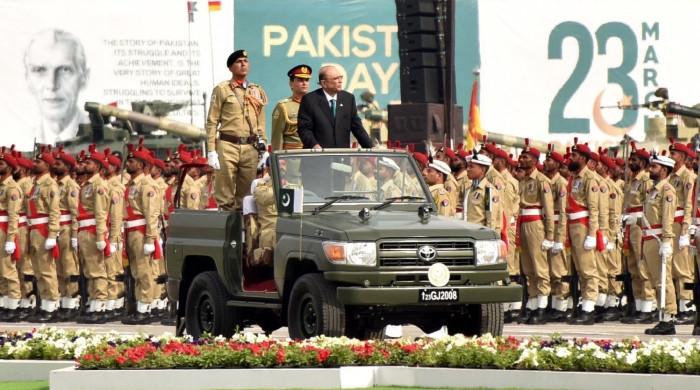
In an official statement released Tuesday, the Prime Minister’s Office declared that March 23—a national holiday commemorating the Lahore Resolution—will be observed with “dignity and reverence through a simple flag hoisting ceremony.” This marks a significant departure from the traditional grand parade featuring military flypasts and cultural displays at Islamabad’s Shakarparian Parade Ground.
Broader Austerity Measures
The parade’s suspension is part of a wider belt-tightening plan unveiled by Prime Minister Shehbaz Sharif last week. Key measures include:
- Reducing the government work week to four days.
- Implementing work-from-home directives.
- Temporarily closing educational institutions to conserve fuel.
These steps are a direct response to economic pressures stemming from the regional conflict, which has disrupted oil supplies and driven up fuel prices domestically.
Securing Energy Supplies
Pakistan, heavily dependent on Gulf energy imports, has taken proactive steps to ensure supply continuity. The statement noted that vessels transporting fuel were provided naval escorts last week. During a high-level review meeting, PM Shehbaz directed the petroleum minister to enhance efforts to secure the country’s petroleum import supply chain, emphasizing preparedness for emergency measures until the situation stabilizes.
Current Fuel Inventory Assessment
Despite the crisis, authorities report manageable fuel stocks. A separate meeting chaired by the finance minister on Monday concluded that Pakistan maintains “comfortable inventories of crude oil and key petroleum products for March,” with sufficient planning to ensure availability through April. Officials stated that the situation is being closely monitored, with records maintained to swiftly identify any irregularities in the supply chain.
The cancellation underscores the tangible impact of Middle East tensions on South Asian economies, as Pakistan prioritizes fiscal conservation over ceremonial expenditure during a period of regional instability.