Government Absorbs Cost to Shield Citizens from Financial Strain
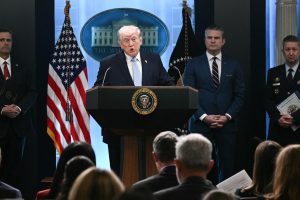
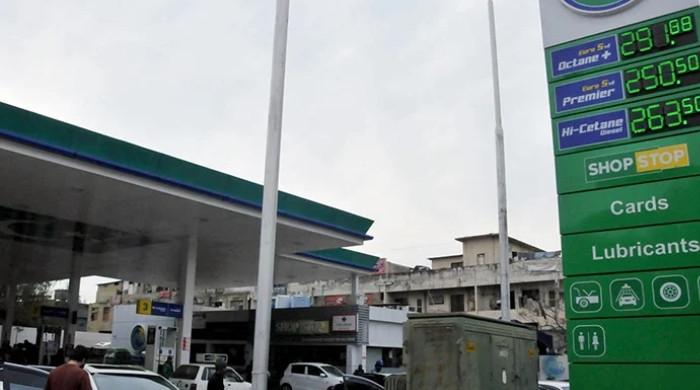
In a move aimed at providing economic relief, the Pakistani government has decided against increasing domestic petroleum prices, Prime Minister Shehbaz Sharif announced on Friday. This decision comes despite a significant surge in global oil rates, with the Premier stating the policy is designed to ease the financial burden on citizens.
Austerity Measures and Regional Tensions
The announcement precedes a scheduled bi-weekly review of fuel prices. It follows a sharp increase of Rs55 per litre for both petrol and diesel imposed just a week prior, on March 6. That hike was attributed to soaring international prices fueled by the ongoing US-Israel conflict with Iran.
Prime Minister Shehbaz warned that the persistent regional tensions continue to pressure the global economy, posing a significant risk to Pakistan’s financial stability. “Through timely policy-making and strict fiscal discipline, we are striving to manage the situation effectively,” he stated via official media.
Comprehensive Austerity Plan Unveiled
The government is implementing a broader austerity strategy to manage the crisis. In a national address on March 9, the Prime Minister outlined several measures, including:
- Cutting government expenditures across federal and provincial tiers.
- Reducing the official working week to four days.
- Limiting non-essential movement to conserve fuel.
These steps are part of an effort to insulate the public from rising costs. The Premier emphasized that the government is committed to delivering maximum relief and is actively taking fuel-conserving measures.
The decision to hold prices steady reflects a balancing act between international market pressures and domestic economic fragility, as Pakistan navigates a challenging global energy landscape.